In this article (34)▾
Tea That Is Good For You: Natural Vitality & Mood Support Without Caffeine
Clinical herbalist guide to herbs that nourish body, uplift mood, and enhance mental clarity naturally
The difference between casual tea drinking and using clinical-grade tea that is good for you is intention and formulation. One is recreational; the other is botanical medicine that supports multiple body systems simultaneously—digestive health, mood balance, cardiovascular wellness, and natural energy—through carefully selected herbs working synergistically.

What Makes Tea Actually Good For You?
Not all herbal teas are created equal. The difference between tea that is good for you and tea that's simply pleasant comes down to several critical factors:
1. Therapeutic Herb Selection
Clinical herbalist-formulated tea uses herbs chosen for specific physiological actions—not just flavor. Each plant brings documented traditional use and, increasingly, modern research validating its effects. Tea that is good for you contains herbs selected because they demonstrably support body systems: mood regulation, digestive function, cardiovascular health, lymphatic flow, and nervous system balance.
2. Proper Therapeutic Dosing
Mass-market "wellness teas" often contain such small amounts of therapeutic herbs that they provide no measurable benefit beyond placebo. Tea that is good for you uses therapeutic concentrations—approximately 2-3 grams of herb material per cup—ensuring you receive compounds at levels that actually affect physiology.

3. Synergistic Formulation
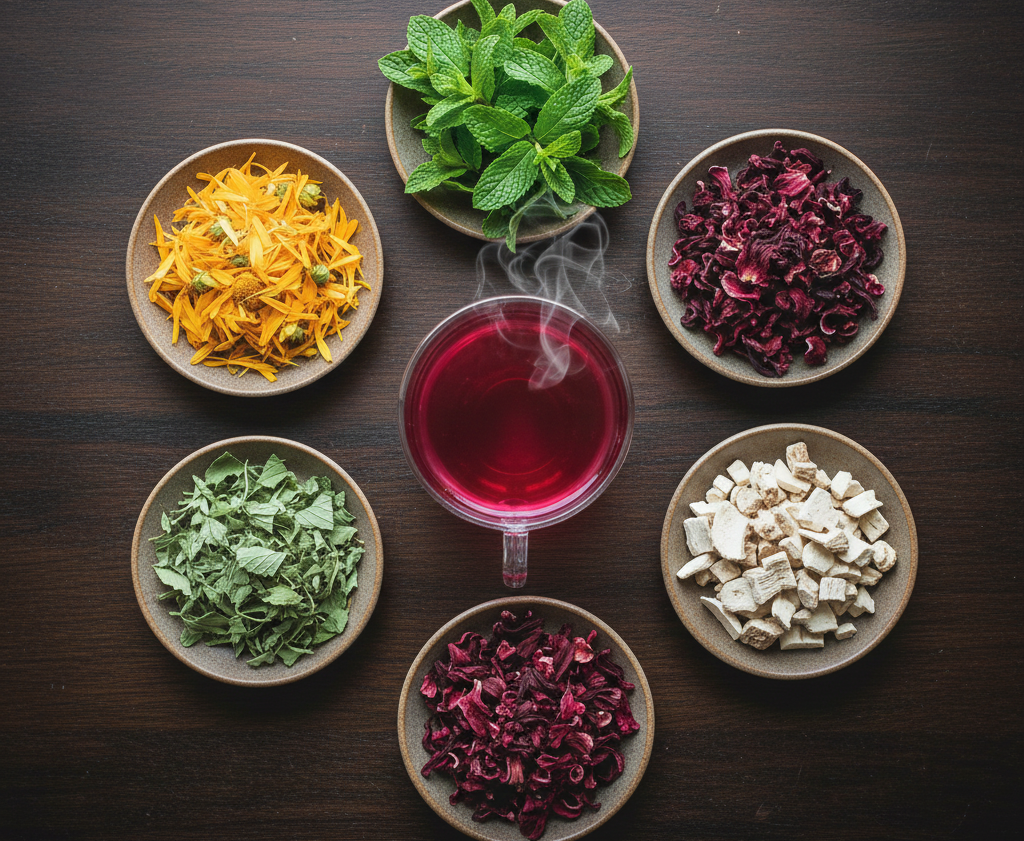
The art of herbalism lies in combining plants that enhance each other's actions. A well-formulated blend creates effects impossible with any single herb. Magical Marvel Tea balances uplifting herbs (calendula, spearmint, lemon balm) with nourishing tonics (hibiscus, marshmallow root) to provide sustained vitality without overstimulation.
4. Organic Quality & Whole Plant Material
The quality of herbs matters profoundly. Organic, whole-leaf herbs contain vastly more therapeutic compounds than conventionally grown, finely ground "tea dust" found in most tea bags. Tea that is good for you uses organic, properly harvested, and stored herbs that retain their medicinal potency.
The Clinical Herbalist Difference
Clinical herbalist training requires hundreds of hours studying plant pharmacology, traditional uses, contraindications, and therapeutic applications. When you drink tea that is good for you formulated by a clinical herbalist, you're receiving medicine designed with your entire body system in mind—not just a collection of trendy ingredients thrown together for marketing appeal.
Why Energy Without Caffeine Matters
Most people rely on caffeine for energy—coffee, energy drinks, caffeinated tea. While caffeine provides a quick energy boost, it comes with significant downsides that become more apparent over time:

The Caffeine Trap
- Artificial stimulation: Caffeine doesn't create energy—it blocks adenosine receptors that signal tiredness, essentially masking fatigue rather than addressing it
- The crash: When caffeine wears off, adenosine floods receptors all at once, causing the familiar energy crash
- Sleep disruption: Even morning caffeine can affect sleep quality 12-16 hours later, creating a cycle of poor sleep and increased caffeine dependence
- Anxiety amplification: Caffeine activates the sympathetic nervous system, which can worsen anxiety, jitters, and stress responses
- Tolerance building: Over time, you need increasing amounts to achieve the same effect
- Adrenal stress: Chronic caffeine use can contribute to adrenal fatigue and dysregulated stress responses
The Botanical Alternative
Tea that is good for you provides energy through nourishment and support rather than stimulation. Herbs like calendula support lymphatic flow and overall vitality, spearmint enhances mental clarity and digestive comfort, hibiscus provides antioxidants and cardiovascular support, and lemon balm reduces the mental fog and heaviness that drain energy. This approach creates sustainable, genuine vitality—not borrowed energy you'll pay back later with a crash.
What Natural Energy Actually Feels Like
When people first switch from caffeine to herbal vitality support, they often describe the difference as feeling "lighter," "clearer," or "more like themselves." Instead of feeling artificially pushed or wired, you feel nourished and capable. Your energy is stable throughout the day rather than spiking and crashing. You sleep better, which creates more genuine energy the next day. This is what tea that is good for you creates—a positive cycle of nourishment rather than a depletion cycle.
The Five Herbs in Magical Marvel Tea
Every herb in Magical Marvel Tea was chosen for specific wellness properties. This is tea that is good for you because each component has both centuries of traditional use and emerging scientific validation.

1. Calendula (Calendula officinalis) - The Sunshine Herb
Primary Actions: Lymphatic tonic, gentle detoxifier, uplifting
Why it's in tea that is good for you: The sunshine herb that brings brightness to body and spirit. Calendula's gentle, uplifting nature supports lymphatic wellness and overall vitality. Traditionally valued as a wound healer, calendula brings that same nourishing, restorative energy internally—helping your body's natural renewal processes.
Traditional Use: Its vibrant golden-orange petals add visual beauty to the blend while contributing subtle earthy-sweet notes. Calendula is particularly wonderful for those feeling energetically depleted or stuck—it helps movement and flow return to both body and mood.
What you'll notice: Gentle sense of uplift and lightness, improved overall vitality, better mood baseline, support for your body's natural detoxification pathways without harsh cleansing effects.
2. Spearmint (Mentha spicata) - Refreshing Clarity
Primary Actions: Digestive support, mental clarity, uplifting
Why it's in tea that is good for you: A refreshing lift for both digestion and mood. Spearmint's cooling, uplifting energy makes everything feel lighter and brighter. Unlike peppermint's intense punch, spearmint is gentler—refreshing without overwhelming.
Traditional Use: It supports healthy digestion (important since gut health directly affects mood), opens the breath, and brings mental clarity. The flavor is unmistakably fresh and pleasant, making this blend easy to drink daily. Spearmint helps dispel mental fog, sluggishness, and the heavy feeling that comes with stress or low energy.
What you'll notice: Mental clarity and focus, improved digestion (less bloating and heaviness), refreshed feeling that enhances mood, easier breathing and sense of openness.
3. Hibiscus (Hibiscus sabdariffa) - Vibrant Vitality
Primary Actions: Cardiovascular support, antioxidant, cooling
Why it's in tea that is good for you: Vibrant in both color and action. Hibiscus brings tart, fruity flavor and stunning pink-red hue while supporting cardiovascular wellness and providing powerful antioxidants. Its cooling nature balances the warming herbs in this blend, creating harmony.
Traditional Use: Hibiscus is naturally high in vitamin C and anthocyanins—compounds that support healthy inflammation response and overall vitality. The tangy, cranberry-like flavor makes this blend delicious and refreshing. Many cultures use hibiscus as a celebratory, uplifting drink—its energy is inherently joyful and vibrant.
What you'll notice: Cardiovascular support (studies show blood pressure benefits), antioxidant protection throughout the body, vibrant energy that feels joyful rather than forced, delicious tart flavor that makes daily use enjoyable.
4. Lemon Balm (Melissa officinalis) - The Happiness Herb
Primary Actions: Nervine, mood support, digestive aid
Why it's in tea that is good for you: The happiness herb that brings calm, focused energy. Lemon balm is exceptional for lifting mild sadness, easing anxiety, and promoting mental clarity without sedation. Its gentle lemony flavor and uplifting aromatics make everything feel more manageable and bright.
Traditional Use: Traditionally called "the gladdening herb," lemon balm helps you feel more present, engaged, and positive—particularly valuable during stressful times or seasonal mood changes. It also supports healthy digestion and the gut-brain connection. Lemon balm doesn't force cheerfulness—it simply helps remove the weight that prevents your natural lightness from shining through.
What you'll notice: Lifted mood without sedation or forced cheerfulness, reduced anxiety and mental tension, improved ability to handle stress, better focus and mental presence, gentle digestive comfort.
5. Marshmallow Root (Althaea officinalis) - The Gentle Soother
Primary Actions: Demulcent, soothing, moistening
Why it's in tea that is good for you: The gentle soother that adds body and comfort. Marshmallow root's mucilaginous nature creates a smooth, velvety mouthfeel and provides soothing support throughout the digestive tract. It's the grounding element in this vibrant blend—ensuring the uplifting herbs don't feel too sharp or stimulating.
Traditional Use: Marshmallow root's moistening, cooling properties balance the more drying herbs, creating a blend that's comfortable for daily, long-term use. It adds subtle sweetness and helps all the other herbs blend harmoniously. This is the herb that makes the "magic" feel nourishing rather than forceful.
What you'll notice: Smooth, pleasant mouthfeel that makes the tea a pleasure to drink, digestive comfort and soothing throughout the GI tract, balanced energy that doesn't feel overstimulating, subtle natural sweetness.
Why Five Herbs? Strategic Synergy
Tea that is good for you combines these five herbs because comprehensive wellness requires addressing multiple body systems simultaneously: calendula supports lymphatic flow and vitality, spearmint enhances digestion and clarity, hibiscus provides cardiovascular and antioxidant support, lemon balm lifts mood and reduces stress, marshmallow root soothes and balances the blend. Together, they create sustainable energy, improved mood, mental clarity, and digestive comfort—effects no single herb could provide alone.
Experience Tea That Is Good For You
Magical Marvel Tea combines five synergistic herbs for natural vitality, mood support, and mental clarity without caffeine. Organic, clinical herbalist-formulated, and delicious enough to crave daily. This is tea that is good for you because it nourishes rather than stimulates.
Shop Magical Marvel Tea
How to Brew and Use Tea for Maximum Benefits
Proper preparation ensures you extract the therapeutic compounds that make tea that is good for you actually effective:
The Proper Brewing Method
- Use 1-2 teaspoons of Magical Marvel Tea per 8-12 oz cup
- Pour freshly boiled water (200-212°F) over herbs
- CRITICAL: Cover while steeping to trap aromatic compounds and volatile oils
- Steep for 5-7 minutes for optimal flavor and therapeutic benefits
- Strain and enjoy hot or iced
Pro tip: This tea is delicious both hot and iced. For iced tea, steep longer (7-10 minutes) for more vibrant color and flavor. The beautiful pink hue from hibiscus makes this an Instagram-worthy beverage that's actually medicinal.
Optimal Dosing for Daily Wellness
- Morning ritual: 1 cup to start your day with clarity and vitality
- Afternoon pick-me-up: 1 cup instead of coffee for sustained energy without crash
- Daily maintenance: 1-2 cups daily for ongoing mood and vitality support
- Intensive support: 2-3 cups daily during stressful periods or seasonal mood challenges
Consistency matters more than quantity. Daily use of tea that is good for you provides cumulative benefits—improved baseline mood, more stable energy, better stress resilience, and enhanced overall vitality.
When to Drink Your Wellness Tea
- Morning: Replace your coffee or caffeinated tea with natural vitality support
- Mid-morning: Maintain focus and clarity through your productive hours
- Afternoon: Combat the afternoon slump without caffeine's downsides
- Evening: Since it's caffeine-free, you can enjoy it anytime without sleep disruption
- Social occasions: The vibrant color and delicious flavor make it perfect for sharing
Tea That Is Good For You vs. Caffeine & Energy Drinks
Most people reach for caffeine when they need energy or mood support. Here's how tea that is good for you compares:
| Factor | Herbal Wellness Tea | Caffeine/Energy Drinks |
|---|---|---|
| Energy Source | Nourishment and support of natural vitality | Artificial stimulation masking fatigue |
| Duration | Sustained, stable energy throughout day | Spike followed by crash requiring more caffeine |
| Sleep Impact | Improves sleep quality over time | Disrupts sleep, creating dependence cycle |
| Mood Effects | Genuinely lifts mood through nervous system support | Can worsen anxiety, irritability, and stress |
| Long-term Use | Increasingly beneficial—builds vitality over time | Tolerance builds—need more for same effect |
| Withdrawal | None—you can stop anytime without symptoms | Headaches, fatigue, irritability when stopping |
| Cost | Economical for daily use | Expensive daily habit ($5+ per coffee/energy drink) |

Making the Switch
If you're currently dependent on caffeine, transitioning to tea that is good for you works best gradually. Start by replacing one caffeinated beverage per day with Magical Marvel Tea. After a week, replace another. Within 2-3 weeks, you'll likely find you don't miss caffeine at all—your energy is more stable, your mood is better, and you sleep more soundly. The first few days may involve mild caffeine withdrawal (headaches, fatigue), but these pass quickly and the benefits are lasting.
FAQ: Tea That Is Good For You
How quickly will I notice the mood and energy benefits?
Immediate effects (within 20-30 minutes): You'll likely notice the refreshing, uplifting sensation from spearmint and lemon balm, improved mental clarity, and a sense of lightness.
Short-term (3-7 days): More stable energy throughout the day, less reliance on caffeine or sugar for afternoon pick-me-ups, improved digestion, better overall mood baseline.
Long-term (2-3 weeks of daily use): Significantly improved mood resilience, sustained natural vitality, better sleep quality (which further enhances daytime energy), increased stress tolerance, genuine sense of wellness rather than forced energy.
The key difference between tea that is good for you and stimulants is that benefits build over time. Instead of borrowing energy from tomorrow, you're building genuine vitality that becomes increasingly sustainable.
Can I drink this if I'm on antidepressants or anxiety medications?
Lemon balm can affect neurotransmitter activity, though it's generally considered safe and gentle. If you take medications for mood, anxiety, or depression, consult your doctor before adding this tea to your routine.
Important considerations:
- Many people use herbal mood support successfully alongside medications, but professional guidance is important for your specific situation
- The herbs in this blend work gently and gradually—they don't force dramatic neurotransmitter changes like pharmaceuticals
- Your doctor may approve the tea as complementary support to your treatment plan
- Never reduce or stop prescribed medications without medical supervision
Honest communication with your healthcare provider ensures safe, effective use of both herbal and pharmaceutical support.
Is this tea safe for children and teenagers?
Yes, tea that is good for you with these herbs is safe and beneficial for children. The herbs in this blend are gentle and traditionally used for kids. The caffeine-free formula and pleasant taste make it great for the whole family.
Child/teen dosing guidelines:
- Ages 6-12: 1/2 to 2/3 of an adult serving (about 1 teaspoon per cup)
- Ages 12+: Full adult dosing (1-2 teaspoons per cup)
The uplifting, calming properties can be particularly helpful for kids and teens dealing with school stress, needing focus support, or experiencing mood fluctuations. The vibrant pink color makes it fun and appealing for younger drinkers.
Will this help with seasonal mood changes or winter blues?
Absolutely. The combination of mood-lifting lemon balm, vitality-supporting calendula, and nourishing hibiscus makes this blend particularly valuable during darker months or seasonal transitions.
Why it helps seasonal mood challenges:
- Lemon balm directly supports mood and reduces the heaviness that accompanies shorter days
- Calendula's "sunshine" energy provides gentle uplift when natural sunlight is scarce
- The vibrant, joyful nature of the tea itself—bright pink color, delicious flavor—provides sensory uplift during gray seasons
- Consistent use builds resilience against seasonal mood dips
While tea that is good for you is not a replacement for medical treatment if you have seasonal affective disorder, many people find it helpful as part of their seasonal wellness routine alongside light therapy, vitamin D, and other interventions.
How does this compare to green tea or matcha for health benefits?
Green tea and matcha provide antioxidant benefits and some mental clarity from L-theanine, but they also contain caffeine with all its downsides. Tea that is good for you offers a different approach:
Magical Marvel Tea advantages:
- Zero caffeine—no jitters, crash, sleep disruption, or anxiety amplification
- Specific mood support through lemon balm (not found in green tea)
- Digestive support from spearmint and marshmallow root
- Lymphatic and detoxification support from calendula
- Cardiovascular benefits from hibiscus comparable to green tea's antioxidants
- Sustainable vitality rather than borrowed energy
Think of green tea as providing antioxidant protection plus stimulation. Magical Marvel Tea provides antioxidants, cardiovascular support, AND mood enhancement, digestive comfort, and natural energy—without caffeine's trade-offs.
Can I drink this tea if I'm pregnant or breastfeeding?
The herbs in Magical Marvel Tea are generally considered safe, but pregnancy and breastfeeding require individualized medical guidance.
Considerations:
- Lemon balm: Generally considered safe during pregnancy and nursing, traditionally used for pregnancy-related anxiety
- Spearmint: Safe in culinary amounts; moderate tea consumption is typically fine
- Hibiscus: Some herbalists recommend caution with hibiscus during pregnancy (though evidence is mixed)
- Calendula and marshmallow root: Generally considered safe
Because of the hibiscus component and the importance of individualized care during pregnancy, please consult with your healthcare provider or midwife before using this tea regularly while pregnant. During breastfeeding, it's typically fine, but again, professional guidance ensures the best approach for your specific situation.

Experience Tea That Is Good For You
Stop relying on caffeine crashes and artificial energy. Discover clinical herbalist-formulated support for natural vitality, balanced mood, and mental clarity. Magical Marvel Tea combines five organic herbs that nourish your body and uplift your spirit—this is tea that is good for you because it works with your body's wisdom, not against it.
Try Magical Marvel Tea Risk-FreeRelated products from our apothecary
Handcrafted in Umpire, Arkansas by Gaia Devi, clinical herbalist.
Explore our apothecary
Learn more
Flower Essences 101
A clinical herbalist's plain-English guide to what flower essences are and how to take them.
Find your match
Find your flower essence
9-question quiz matching your current emotional state to one of our five essences.
Shop the apothecary
Medicinal Herbal Teas
Loose-leaf, clinical-herbalist-blended teas — each built around a specific job.