In this article (27)▾
Tea That Is Good For Your Sleep: The Best Herbal Infusions for Insomnia and Rest
Clinical Herbalist Guide to Nervine Herbs & Natural Sleep Support
A warm cup of carefully blended tea that is good for your sleep can be the most powerful signal you send to your body that it is safe to rest. Unlike pharmaceutical sleep medications that can create dependency and morning grogginess, herbal infusions work with your body's natural rhythms, supporting the nervous system's transition from active wakefulness to restorative sleep.

Understanding Sleep Herbs: Nervines and Hypnotics
When working with tea that is good for you for sleep support, it's essential to understand the two primary categories of herbs we use in clinical herbalism:
Nervine Tonics
These herbs nourish and calm the nervous system over time. They are excellent for stress-related insomnia, anxiety, and the inability to "turn off" the mind. They work best when used consistently and are safe for long-term support. Examples include chamomile, lemon balm, and oat straw.
Gentle Hypnotics
These herbs have a more direct sedative effect, helping to induce sleep. They are often used acutely for nights when winding down is particularly difficult. While still gentle compared to pharmaceuticals, they work more immediately. Examples include valerian, passionflower, and hops.
The most effective sleep teas often combine both categories, nervines to address the underlying tension and hypnotics to support the transition into sleep.
Top Herbs for Restorative Sleep
When choosing tea that is good for your sleep, look for these deeply relaxing ingredients. Each has been used traditionally for centuries and is supported by modern research:
1. Chamomile (Matricaria chamomilla)
How It Works: Chamomile contains apigenin, a compound that binds to benzodiazepine receptors in the brain, producing a mild anxiolytic (anti-anxiety) and sedative effect. It calms the nervous system without creating dependency or morning grogginess.
Clinical Note: Chamomile is my first recommendation for those new to sleep herbs. It is incredibly safe, gentle enough for children, and effective for both falling asleep and staying asleep. It works particularly well for those whose insomnia is rooted in stress or an overactive mind.
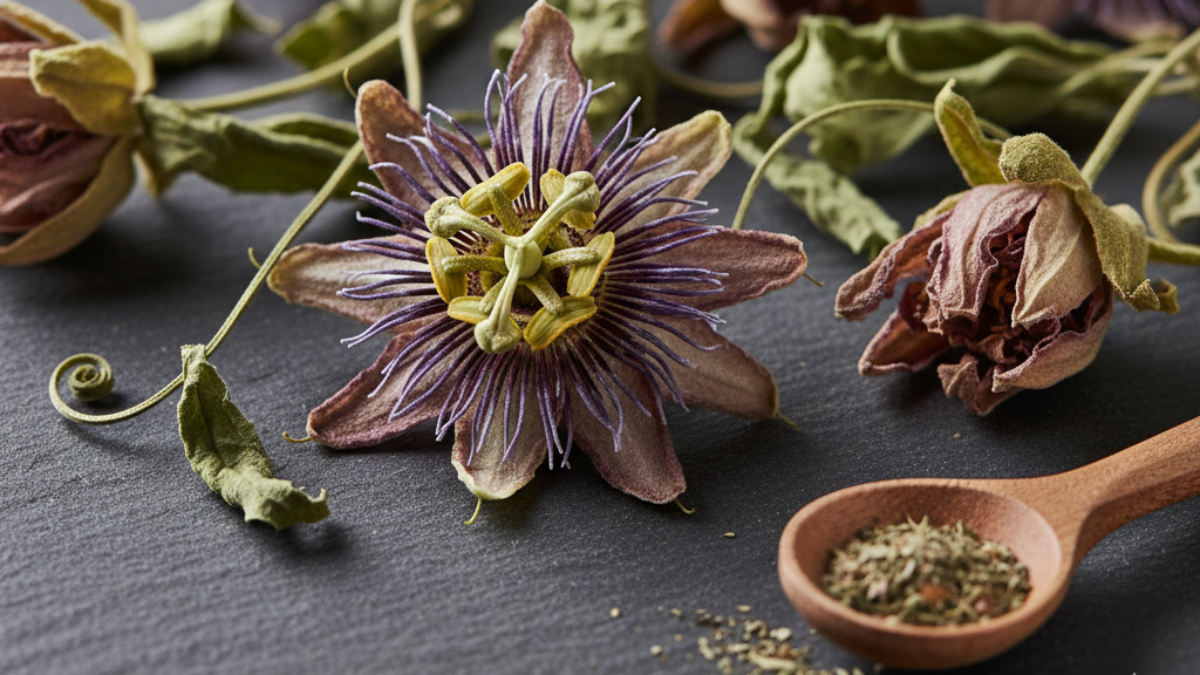
2. Passionflower (Passiflora incarnata)
How It Works: Passionflower increases GABA (gamma-aminobutyric acid) levels in the brain. GABA is the primary inhibitory neurotransmitter, responsible for slowing down nerve activity and quieting the "mental chatter" that often prevents sleep.
Clinical Note: Passionflower is particularly effective for those who lie awake with racing thoughts or circular worry. It helps create mental quiet without heavy sedation. I often recommend it for people who can't "turn off" their work brain at night.
3. Valerian Root (Valeriana officinalis)
How It Works: Valerian contains valerenic acid and other compounds that interact with GABA receptors, producing a pronounced sedative effect. It reduces the time it takes to fall asleep and can improve overall sleep quality by increasing time spent in deep, restorative sleep stages.
Clinical Note: Valerian is powerful and best used occasionally rather than nightly. Some people find it incredibly effective, while about 10% of people experience the opposite effect (alertness). Always try it first on a night when you don't need to be anywhere the next day to see how your body responds. The taste and smell are strong, blending with peppermint can help.
4. Lemon Balm (Melissa officinalis)
How It Works: Lemon balm has a gentle calming effect on the nervous system and is particularly useful for stress-related sleep issues. It also has mild antiviral properties and supports digestive calm, making it an excellent all-around nervine herb.
Clinical Note: Lemon balm is wonderfully gentle and safe for long-term use. It's excellent for children, the elderly, or anyone who needs very gentle support. It pairs beautifully with chamomile in a nightly tea blend. I recommend it for people who are just "keyed up" from the day's stress.
5. Lavender (Lavandula angustifolia)
How It Works: Lavender's volatile oils have a direct calming effect on the nervous system, both through ingestion and through aromatherapy (the scent itself is therapeutic). It reduces anxiety and improves overall sleep quality, particularly the amount of time spent in deep, slow-wave sleep.
Clinical Note: Use lavender sparingly in tea, a little goes a long way, and too much can make the tea taste soapy. The aromatherapy component is powerful; inhaling the steam from brewing lavender tea engages the olfactory system, which is directly linked to the emotional centers of the brain.
6. Hops (Humulus lupulus)
How It Works: Hops contain compounds that have sedative properties and are particularly effective when combined with valerian. The bitter resin in hops has a direct calming effect on the nervous system and can help with both falling asleep and staying asleep.
Clinical Note: Hops are best used in combination blends rather than alone due to their strong bitter taste. Interestingly, hops have mild estrogenic effects, so they may be particularly helpful for sleep disturbances related to menopause. However, those with hormone-sensitive conditions should use caution.
The Clinical Recommendation: Crafting Your Sleep Ritual
The efficacy of tea that is good for you for sleep is amplified by ritual. I advise my clients to treat the preparation and consumption of their evening tea as a sacred, non-negotiable step in their wind-down routine:
Your Evening Sleep Tea Ritual
Timing: 60 Minutes Before Bed
Start your sleep ritual a full hour before your desired bedtime. This gives your body time to transition from the day's activities. Avoid screens and bright lights during this hour. Dim the lights in your home, signaling to your circadian rhythm that night has arrived.
Preparation: Engage the Senses
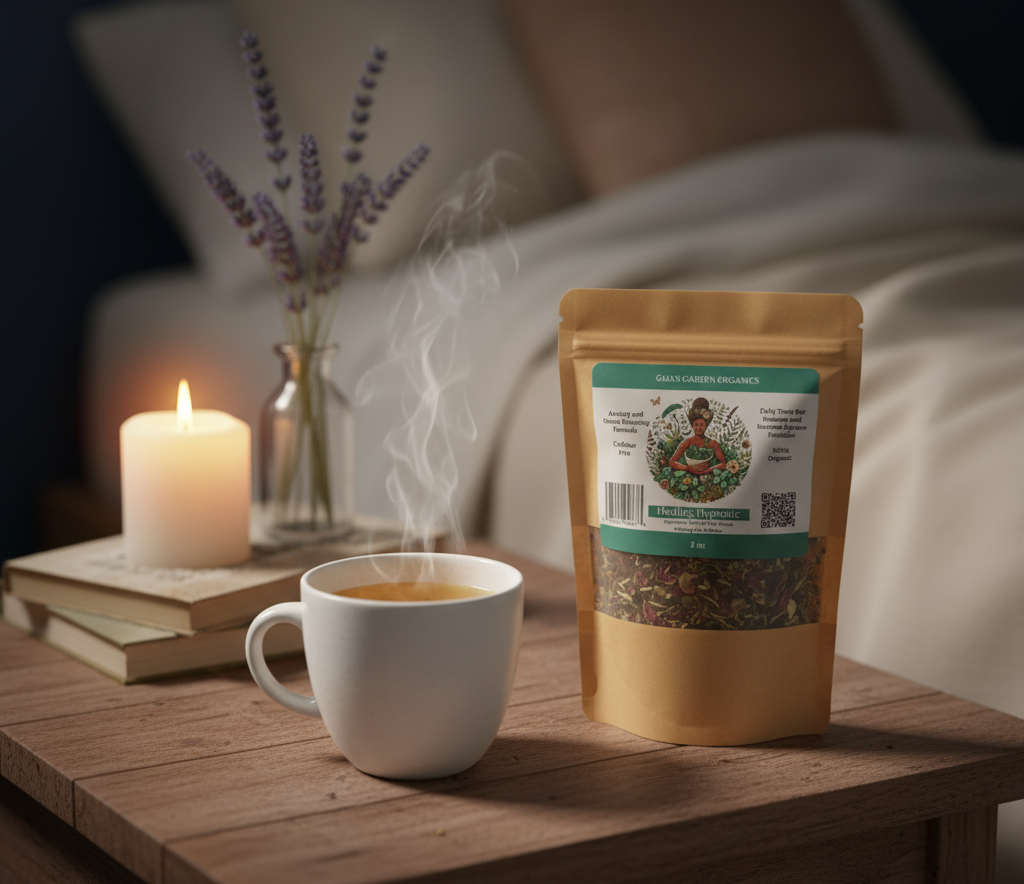
Use a dedicated mug or cup specifically for your sleep tea, this creates a Pavlovian response over time. As you brew your tea that is good for your sleep, take the time to inhale the steam from the herbs. The scent itself is therapeutic, engaging the olfactory system which is directly linked to the emotional centers of the brain.
Steeping: Give It Time
Steep your herbs for a full 10-15 minutes, covered. This allows the volatile oils and active compounds to fully extract. Use this steeping time to sit quietly, perhaps with gentle stretching, journaling, or reading something calming. No phones, no work, no news.
Drinking: Mindful Consumption
Sip your tea slowly and mindfully. Each sip is a conscious act of self-care and preparation for rest. Notice the warmth, the taste, the ritual itself. This mindfulness practice helps transition your nervous system from sympathetic (fight or flight) to parasympathetic (rest and digest) mode.
Consistency: Every Single Night
Use your sleep tea every night, even if you don't feel particularly stressed or wired. Consistency is key to retraining your nervous system to recognize the signals of rest. This builds a strong, positive association with your bedtime routine. Your body will begin to anticipate sleep as soon as you start the ritual.
Shop our Sleep Support Tea Blend specifically formulated for deep, restorative rest.
The Science of Nervines: Why They Work
Nervine herbs work through several fascinating mechanisms in the nervous system:
GABA Enhancement
Many sleep herbs contain compounds that either mimic GABA or increase GABA levels in the brain. GABA (gamma-aminobutyric acid) is the primary inhibitory neurotransmitter in the brain, responsible for slowing down nerve activity. By supporting GABA function, these herbs help to quiet the "chatter" in the mind that often prevents sleep. This is the gentle, yet profound, mechanism by which tea that is good for you can lead to deep, restorative rest.
Stress Hormone Regulation
Chronic stress elevates cortisol, a hormone that interferes with sleep by keeping the body in an alert, activated state. Adaptogenic and nervine herbs help normalize cortisol patterns, allowing levels to drop naturally in the evening as they should. This addresses one of the root causes of modern insomnia.
Nervous System Nourishment
Unlike pharmaceutical sleep aids that force sedation, nervine tonic herbs actually nourish the nervous system over time. They contain minerals, B vitamins, and other compounds that support healthy neurotransmitter production and nerve function. This is why consistent use often leads to better sleep even on nights when you don't drink the tea, you're building resilience.
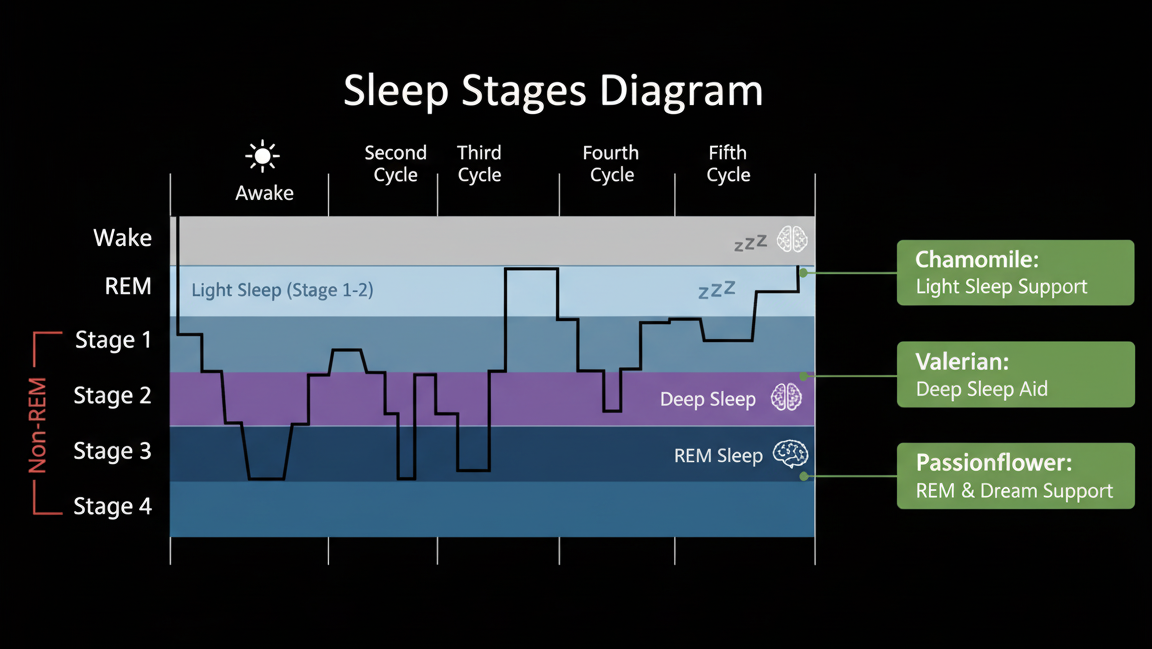
Addressing the Root Cause: Stress and Sleep
Often, insomnia is a symptom of chronic stress. If your body is constantly in a state of "fight or flight," it is physically impossible to enter the deep rest needed for healing. Tea that is good for your sleep that contains adaptogens or strong nervine tonics (like oat straw or skullcap) helps to build resilience against stress, addressing the root cause of the sleep disturbance rather than just treating the symptom.
This holistic approach is central to clinical herbalism. We don't just want to knock you out, we want to restore your body's natural ability to transition into restful sleep on its own. Over time, with consistent use of nervine herbs and proper sleep hygiene, many people find they need less herbal support as their nervous system heals and regains its natural rhythm.
The Gut-Sleep Connection: Emerging research shows that gut health directly impacts sleep quality through the gut-brain axis. Many of the same herbs that support digestion (as discussed in our gut health article) also support sleep, particularly chamomile. This is not a coincidence; it reflects the interconnected nature of our body's systems.
Product Spotlight: Sleep Support & Relaxation Teas
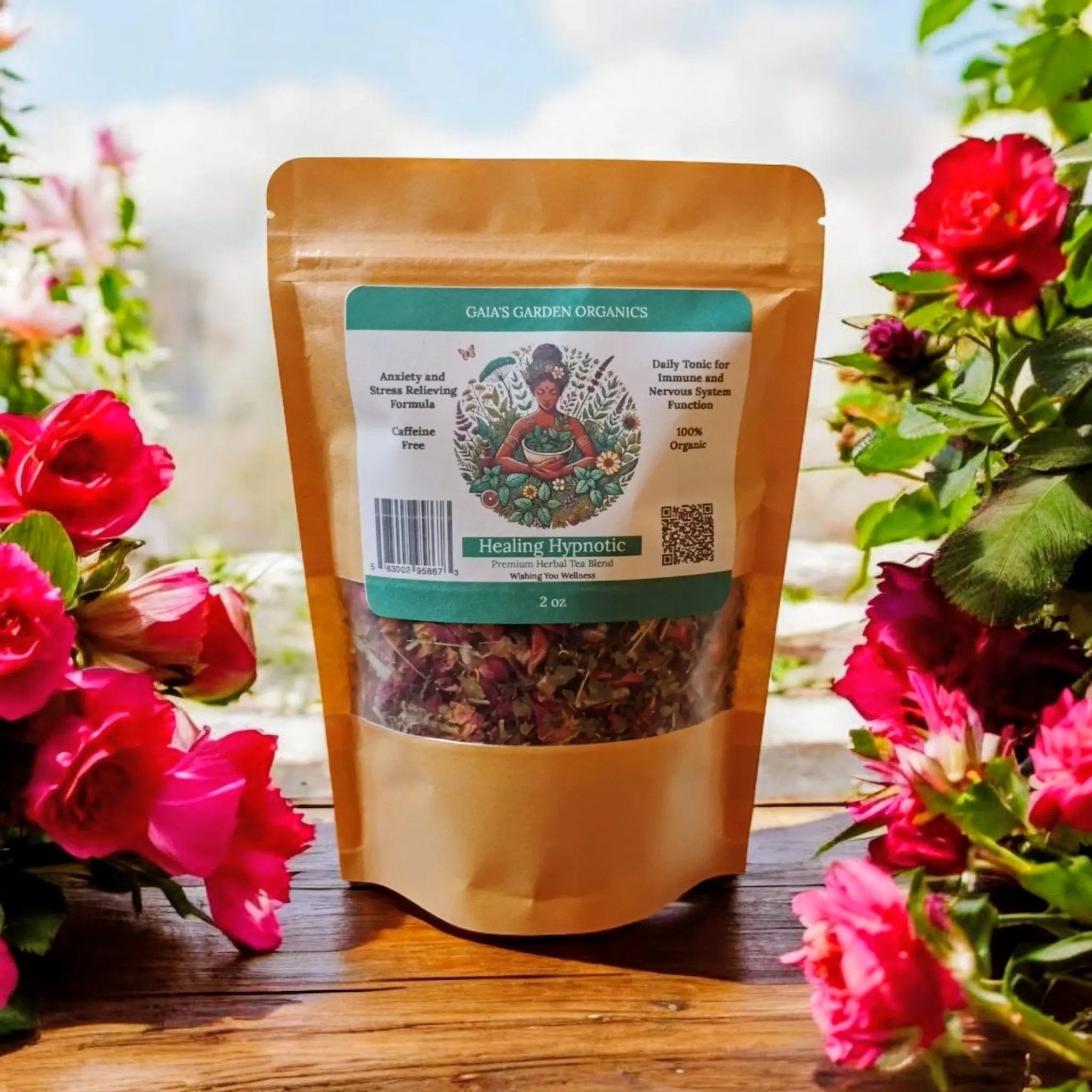
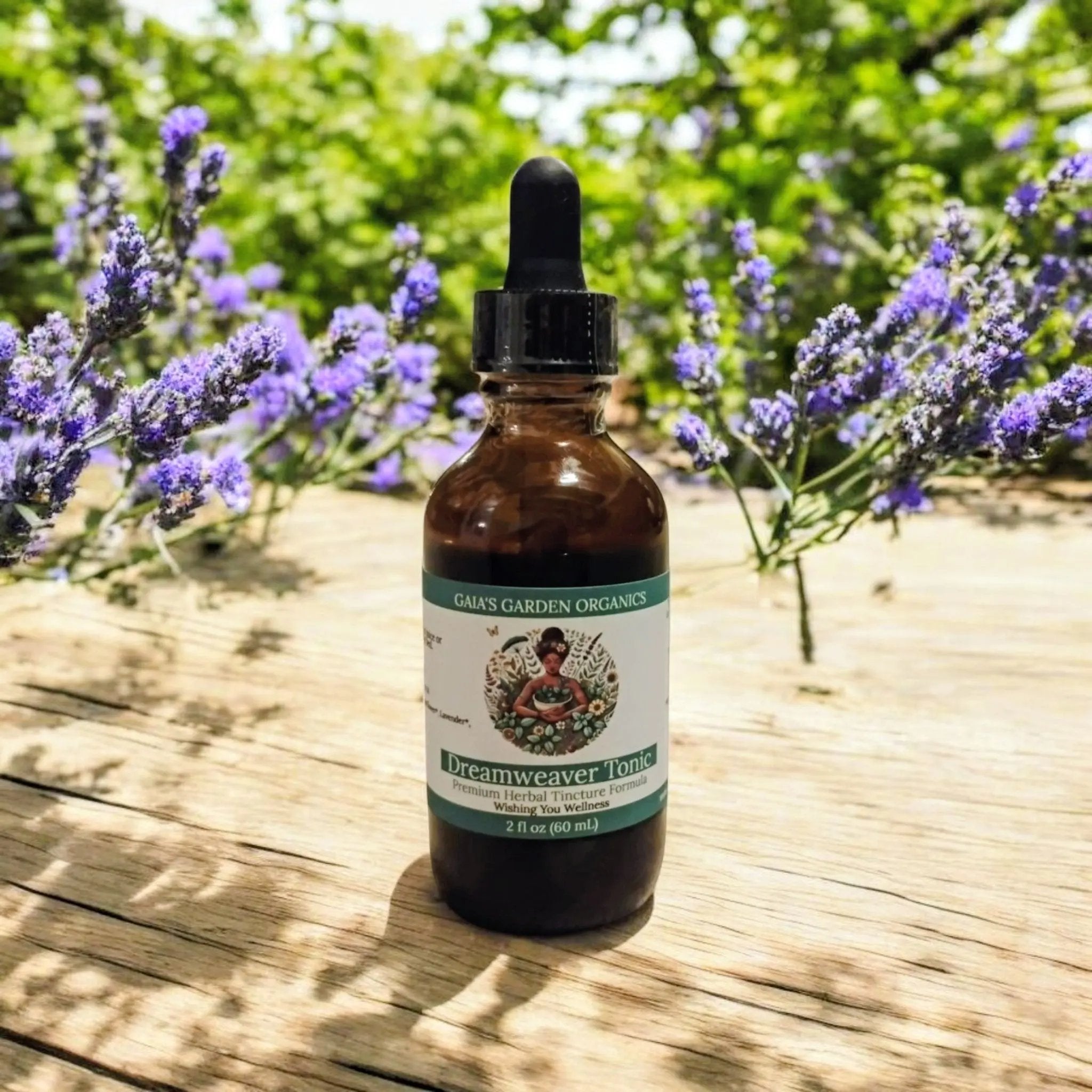
Our Organic Herbal Tea for Relaxation is specifically blended with nervine herbs like chamomile, lemon balm, and passionflower to soothe the nervous system and prepare the body for rest. For those nights when you need extra support, consider pairing it with our sleep support tincture for a more potent, fast-acting effect.
Find Your Path to Deep Sleep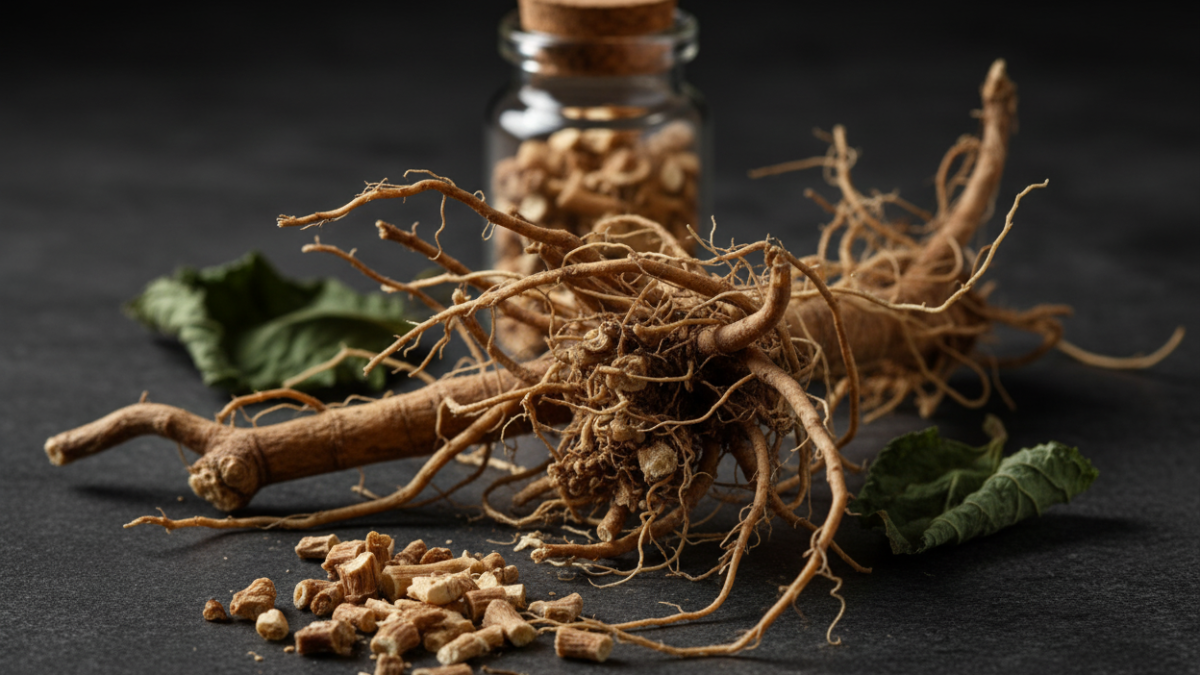
Final Thoughts from Your Herbalist
Prioritizing sleep is prioritizing your health. By choosing tea that is good for you and committing to a consistent ritual, you are investing in your physical, mental, and emotional well-being. Let the gentle power of these herbs guide you back to the deep, restorative rest you deserve.
Sleep is not something to fight or force. It is a natural rhythm that your body wants to fall into. When you support your nervous system with the right herbs, at the right time, in the right way, through a mindful, consistent ritual, sleep becomes effortless again. This is the promise of plant medicine: not to override your body's wisdom, but to support it.
FAQ: Tea and Sleep Health
Is it safe to drink sleep tea every night?
Yes, most nervine herbal teas are safe for daily, long-term use. Unlike pharmaceutical sleep aids, they are nourishing and non-addictive. Nervine tonics like chamomile, lemon balm, and passionflower can be used indefinitely without developing tolerance or dependency.
However, strong hypnotics like valerian are sometimes recommended for short-term use or occasional nights when you need extra support. Always listen to your body's needs and adjust accordingly. If you find yourself needing increasingly strong herbs to sleep, it's worth addressing underlying stress or health issues with a clinical herbalist or healthcare provider.
Will sleep tea make me groggy in the morning?
High-quality herbal teas, especially those focusing on nervine tonics like chamomile and lemon balm, should not cause morning grogginess. They support natural sleep cycles rather than forcing heavy sedation.
However, if you experience grogginess, you may be:
- Sensitive to a specific herb (particularly valerian or hops)
- Using too strong a dose
- Not getting enough total sleep hours (going to bed too late)
- Experiencing rebound effects from previous caffeine use
Adjust your blend, timing, or bedtime accordingly. Most people wake feeling refreshed and restored after using gentle nervine teas.
Can I combine sleep tea with a sleep tincture?
Yes, this is a common and effective strategy in clinical herbalism. The tea provides the calming ritual, gentle nervine support, and hydration, while a tincture offers a more potent, fast-acting hypnotic effect.
Recommended approach: Drink your sleep tea 60 minutes before bed as part of your wind-down ritual. Then, 15-30 minutes before actually getting into bed, take a dose of sleep tincture (like our valerian-passionflower blend). This gives you both the long-acting nervous system support and the immediate sleep-inducing effect.
Consult your clinical herbalist for personalized dosing recommendations based on your specific needs.
Why isn't tea that is good for my sleep working for me?
If you're not seeing results from sleep tea, consider these common issues:
- Not using it consistently: Nervine tonics work best with daily use over 2-4 weeks
- Poor sleep hygiene: Screens, caffeine after 2pm, irregular bedtime, bright lights, or a warm bedroom can override herbal support
- Underlying health issues: Sleep apnea, hormone imbalances, chronic pain, or medication side effects may need addressing
- Wrong herb selection: Not all sleep herbs work for everyone, some people do better with chamomile, others need valerian
- Insufficient dose: You may need a stronger blend or to add a tincture
Consider working with a clinical herbalist to develop a personalized sleep protocol that addresses your specific situation.
Can I drink sleep tea if I'm pregnant or breastfeeding?
Generally safe during pregnancy and breastfeeding:
- Chamomile (in moderate amounts)
- Lemon balm
- Oat straw
Should be avoided or used with extreme caution:
- Valerian (insufficient safety data)
- Passionflower (insufficient safety data)
- Hops (may affect milk supply)
Always consult with your healthcare provider or clinical herbalist before using any herbs during pregnancy or breastfeeding. Sleep disruption is common during these times, but safety for you and baby is paramount.
How long before bed should I drink tea that is good for my sleep?
Optimal timing: 60 minutes before your desired sleep time.
Here's why this timing works:
- Gives herbs time to be absorbed and start working (30-45 minutes)
- Allows you to use the bathroom before bed (avoiding middle-of-night wakings)
- Creates a proper wind-down buffer from your day's activities
- Establishes a consistent ritual your body learns to recognize
If you find you're waking to use the bathroom, move your tea time earlier (75-90 minutes before bed) and use the bathroom right before getting into bed.
Ready to Reclaim Your Rest?
Discover the gentle, effective power of tea that is good for you. Our handcrafted sleep support teas are formulated with nervine herbs and clinical herbalist expertise to help you fall asleep naturally and wake refreshed. Every sip is a step toward restoration. Every cup is an invitation to rest.
Shop Sleep Support TeasProducts from this article
Handcrafted in Umpire, Arkansas by Gaia Devi, clinical herbalist.
Explore our apothecary
Learn more
Flower Essences 101
A clinical herbalist's plain-English guide to what flower essences are and how to take them.
Find your match
The Sleep-Type Quiz
5-question clinical-herbalist diagnostic that names your sleep archetype and matches an evening practice + plant pairing.
Shop the apothecary
Medicinal Herbal Teas
Loose-leaf, clinical-herbalist-blended teas, each built around a specific job.
Sources & further reading
Authoritative references consulted in writing this article. Open in a new tab.
- PubMed (Amsterdam et al., 2009)A randomized, double-blind, placebo-controlled trial of oral Matricaria recutita (chamomile) extract therapy for generalized anxiety disorder
- PubMed (Akhondzadeh et al., 2001)Passionflower in the treatment of generalized anxiety: a pilot double-blind randomized controlled trial with oxazepam
- PubMed (Brock et al., 2014)American Skullcap (Scutellaria lateriflora): a randomised, double-blind placebo-controlled crossover study of its effects on mood in healthy volunteers
- PubMed (Chandrasekhar et al., 2012)A prospective, randomized double-blind, placebo-controlled study of safety and efficacy of a high-concentration full-spectrum extract of ashwagandha root in reducing stress and anxiety in adults
- Chestnut School of Herbal MedicineFlowering Herbs (article archive)