In this article (32)▾
Best Herbal Tea for Respiratory Wellness and Lung Support: Breathe Easier Naturally
Clinical herbalist guide to mullein, thyme, and licorice tea for clear airways, lung health, and comfortable breathing
If you're searching for the best herbal tea for respiratory wellness and lung support, you likely understand that healthy breathing requires more than cough suppressants or decongestants. You're looking for medicine that helps your body clear excess mucus naturally, reduces airway inflammation, soothes irritated tissues, and strengthens respiratory function—without the side effects or dependency of pharmaceutical options.
Understanding Your Respiratory System: More Than Just Your Lungs
Before exploring why Breathe Better Tea is the best herbal tea for respiratory wellness and lung support, it's important to understand the complexity of your respiratory system—because supporting lung health means addressing the entire respiratory tract.
The Complete Respiratory System
Your respiratory system is an intricate network that includes:
- Upper respiratory tract: Nasal passages, sinuses, throat (pharynx), and voice box (larynx)—the first line of defense filtering, warming, and humidifying incoming air
- Lower respiratory tract: Trachea (windpipe), bronchi, bronchioles, and alveoli (tiny air sacs where oxygen exchange happens)
- Mucous membranes: Specialized tissue lining the entire respiratory tract that produces protective mucus to trap particles, pathogens, and irritants
- Cilia: Tiny hair-like structures that sweep mucus and trapped particles upward and outward through coughing
- Immune tissue: Lymphoid tissue throughout the respiratory tract that identifies and responds to threats
When we talk about the best herbal tea for respiratory wellness and lung support, we're addressing this entire complex system—not just suppressing a cough or drying up mucus.

Common Respiratory Challenges That Need Support
Most people experience respiratory issues that benefit from herbal support:
- Seasonal allergies: Inflammation and excess mucus production triggered by pollen, mold, dust, or environmental allergens
- Acute respiratory infections: Colds, flu, bronchitis causing congestion, productive cough, inflamed airways, and difficulty breathing
- Chronic conditions: Asthma, COPD, chronic bronchitis, or persistent post-viral cough requiring ongoing respiratory support
- Environmental exposure: Air pollution, smoke, occupational irritants, or poor air quality causing respiratory inflammation and irritation
- Dry, irritated airways: That tight chest feeling, inability to take a satisfying deep breath, or chronic throat irritation
- Excessive or stuck mucus: Feeling like you can't fully clear your lungs, productive but ineffective coughing, or post-nasal drip
Breathe Better Tea supports all of these scenarios by addressing underlying mechanisms: inflammation, excess mucus production, tissue irritation, and compromised respiratory function.
The Mucus Paradox: Understanding What Your Body Needs
Here's something most people misunderstand: mucus isn't your enemy. Your respiratory system produces about a quart of mucus daily under normal conditions—it traps particles, pathogens, and irritants before they reach your lungs. The problem occurs when:
- Mucus production becomes excessive (too thick, too abundant, overwhelming your ability to clear it)
- Mucus becomes too dry (leaving tissues vulnerable, irritated, and unable to trap irritants effectively)
- Mucus clearance mechanisms fail (damaged cilia, weak cough reflex, dehydration)
The best herbal tea for respiratory wellness and lung support contains herbs that help normalize mucus production—supporting expectoration of excess mucus while keeping tissues properly moistened and protected. This balanced approach distinguishes traditional respiratory herbalism from pharmaceutical symptom suppression.
What Makes Tea Good for Your Lungs? The Herbal Actions That Matter
Not all herbal teas support respiratory health. Breathe Better Tea contains herbs with specific therapeutic actions that address respiratory tissue and function:
1. Expectorant Action: Helping You Clear Your Lungs
Expectorants help mobilize and expel mucus from airways. This matters because stagnant mucus becomes a breeding ground for infection and keeps airways obstructed. Cinnamon bark and licorice are powerful expectorants that help you cough up and clear excess mucus productively.
2. Demulcent Properties: Soothing Irritated Tissues
Demulcents are mucilaginous (slippery, coating) herbs that protect irritated respiratory tissues. When you have a dry cough, sore throat, or inflamed airways, demulcents create a protective layer that reduces irritation. Both mullein and licorice are excellent demulcents—this is why Breathe Better Tea feels immediately soothing.
3. Anti-inflammatory Effects: Reducing Airway Swelling
Respiratory inflammation narrows airways, increases mucus production, and makes breathing difficult. Licorice root contains glycyrrhizin—one of nature's most powerful anti-inflammatory compounds—which reduces swelling in bronchial passages and calms overactive immune responses. Cinnamon bark also provides anti-inflammatory support. This is crucial for conditions like asthma, bronchitis, and allergic respiratory reactions.
4. Antimicrobial Properties: Supporting Immune Defense
Cinnamon bark contains powerful antimicrobial compounds (particularly cinnamaldehyde) that help your body fight respiratory infections. These compounds work directly on bacteria and viruses in the respiratory tract while supporting your immune system's response.
5. Warming Circulatory Action: Enhancing Respiratory Vitality
Cinnamon's warming properties enhance circulation to respiratory tissues, bringing oxygen, nutrients, and immune cells where they're needed. This warming action helps break up thick, cold, stagnant mucus while energizing depleted respiratory tissues.
The Synergy Principle in Respiratory Herbs
Breathe Better Tea combines three herbs because comprehensive respiratory support requires addressing multiple mechanisms simultaneously: soothing irritation (demulcents from mullein and licorice), clearing mucus (expectorants from cinnamon and licorice), reducing inflammation (licorice and cinnamon), fighting infection (cinnamon's antimicrobials), and warming circulation (cinnamon). Each herb brings unique actions, but together they create effects no single plant could achieve alone. This is the best herbal tea for respiratory wellness and lung support because it works with your body's natural healing processes rather than suppressing symptoms.
The Three Powerful Respiratory Herbs in Breathe Better Tea
Every herb in Breathe Better Tea was chosen for specific respiratory support properties backed by centuries of traditional use and modern research.

1. Mullein (Verbascum thapsus) - The Lung Tissue Restorative
Primary Actions: Expectorant, demulcent, vulnerary (tissue healer), anti-inflammatory, lymphatic
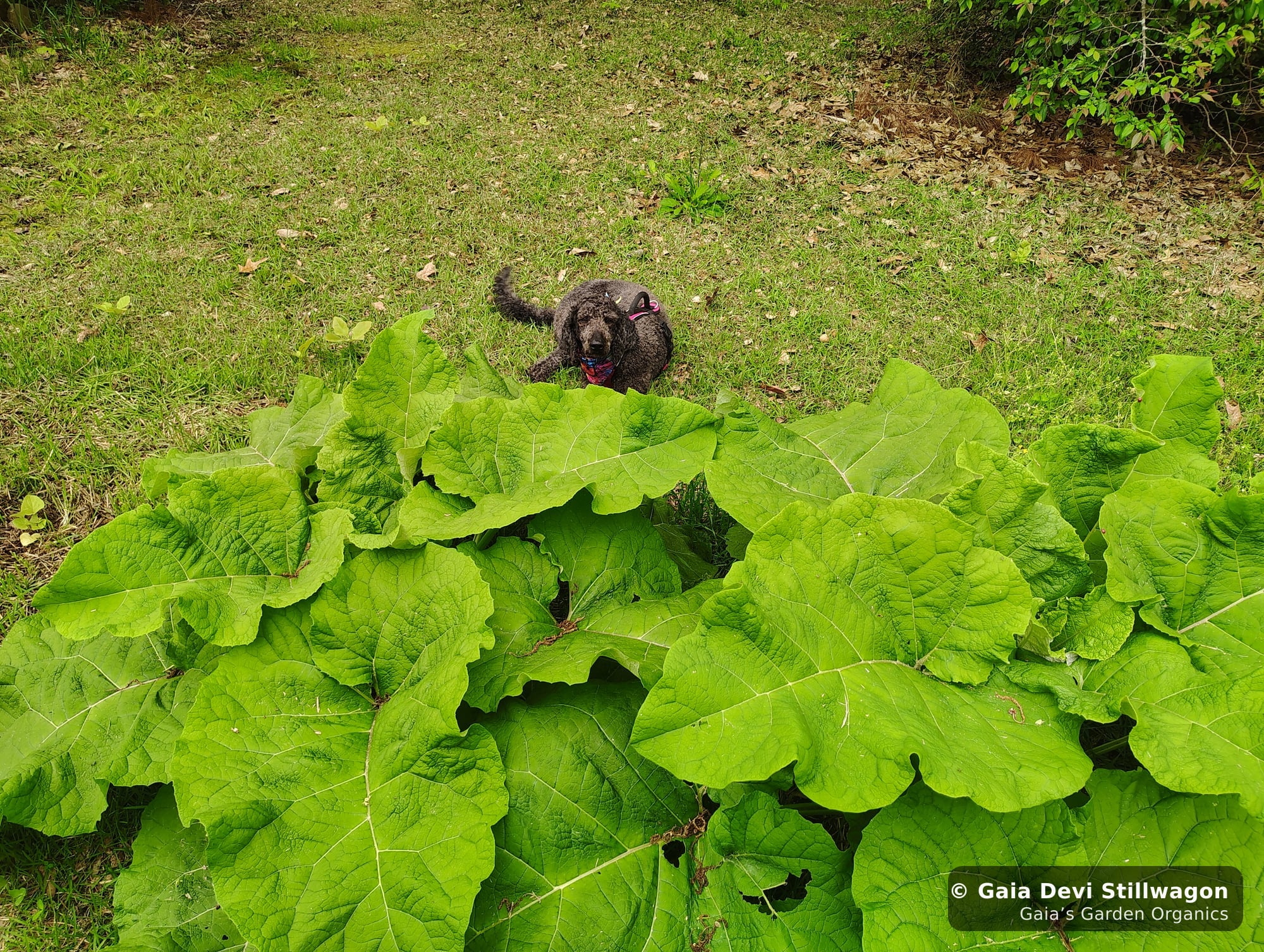
Why it's in the best herbal tea for respiratory wellness and lung support: Mullein is a respiratory powerhouse revered across cultures for its exceptional ability to soothe irritated lung tissue while supporting the body's natural mucus clearance mechanisms. Its gentle but thorough action makes it valuable for both acute respiratory discomfort and long-term lung health.
Traditional Use: For centuries, mullein has been the go-to herb for dry, irritated coughs, chest tightness, and difficulty clearing the lungs. The leaves contain mucilage that coats and protects respiratory passages while saponins help break up congestion and support productive expectoration. Mullein is particularly effective when you feel like you can't take a deep, satisfying breath—that sense of lung restriction and tightness.
Unique Respiratory Properties:
- Soothes and protects irritated mucous membranes throughout the entire respiratory tract
- Supports the transition from dry, unproductive cough to productive cough that actually clears mucus
- Reduces inflammation in bronchial passages, easing the tight, constricted feeling
- Supports lymphatic drainage from lung tissue, helping resolve congestion at a deeper level
- Strengthens and tones respiratory tissues over time, increasing resilience to irritants
Clinical Observation: Mullein is what I recommend for people who say "I feel like I can't fully expand my lungs" or "my chest feels tight and restricted." It creates space—both physically by reducing inflammation and energetically by supporting the lungs' capacity to fully open and receive breath.
Safety: Remarkably safe for long-term use. Mullein is gentle enough for children, elderly, and those with compromised respiratory function, yet powerful enough for significant therapeutic effect.
What you'll notice: Easier, deeper breathing; productive coughing that actually clears mucus rather than exhausting dry hacking; reduced throat and chest irritation; ability to take full, satisfying breaths without restriction.
2. Cinnamon Bark (Cinnamomum verum) - The Warming Respiratory Stimulant
Primary Actions: Warming circulatory stimulant, antimicrobial, anti-inflammatory, expectorant, aromatic
Why it's in the best herbal tea for respiratory wellness and lung support: Cinnamon bark brings warming, stimulating energy to the respiratory system—enhancing circulation to lung tissue, breaking up congestion, and providing powerful antimicrobial support during respiratory infections. Its aromatic compounds work both systemically and through direct inhalation as you drink.
Traditional Use: Cinnamon has been prized across cultures for thousands of years—in Traditional Chinese Medicine for warming the lungs and dispelling cold, in Ayurvedic medicine for respiratory strength and immunity, and in Western herbalism for breaking up chest congestion. It's particularly valuable for the "cold" type of respiratory congestion—that heavy, thick mucus with chills and lack of vitality.
Warming & Circulatory Support:
- Increases blood flow to respiratory tissues, bringing oxygen, nutrients, and immune cells
- Warms cold, stagnant respiratory conditions that feel heavy and thick
- Stimulates metabolism and energy in lung tissue
- Counteracts the dampness and coldness that characterize many respiratory infections
- Enhances the body's ability to clear thick, stuck mucus through improved circulation
Antimicrobial Power:
- Contains cinnamaldehyde—a powerful antimicrobial compound effective against respiratory bacteria and fungi
- Demonstrates broad-spectrum antimicrobial activity in research studies
- Works synergistically with the body's immune response to clear respiratory infections
- Particularly effective against bacteria that cause bronchitis and lung infections
- Antifungal properties help prevent secondary fungal infections in compromised respiratory tissue
Expectorant & Mucus Management:
- Helps break up thick, sticky mucus that's difficult to clear
- Warming action liquefies cold, congealed phlegm
- Stimulates productive coughing that actually clears airways
- Reduces the sense of heaviness and obstruction in the chest
Anti-inflammatory Benefits:
- Reduces inflammatory markers throughout the respiratory system
- Helps calm chronic respiratory inflammation without suppressing necessary immune activity
- Supports tissue healing after respiratory infections
- May help reduce allergic respiratory responses
The Aromatic Dimension: As you sip Breathe Better Tea, cinnamon's aromatic compounds work through both ingestion and inhalation. The warming, spicy aroma itself has therapeutic effects—opening airways, stimulating circulation, and providing immediate comfort. This dual-action delivery makes cinnamon particularly effective in tea form.
Energetic Properties: In traditional systems, cinnamon is considered deeply warming and moving—it gets things unstuck, breaks through stagnation, and brings vitality to tissues that feel cold and depleted. This energetic quality is exactly what's needed when respiratory infections or chronic conditions leave you feeling heavy, congested, and exhausted.
Clinical Observation: I include cinnamon for respiratory conditions that have that cold, damp, heavy quality—thick mucus, feeling chilled, lack of vitality, congestion that feels stuck and immovable. The warming stimulation cinnamon provides helps the body break through this stagnation and move toward resolution. People often describe feeling "opened up" and energized after drinking this tea—that's cinnamon working.
Synergy with Other Herbs: Cinnamon enhances the demulcent herbs (mullein and licorice) by providing movement and circulation—soothing isn't enough if congestion is stuck; you need the warming, moving quality cinnamon brings. It prevents the formula from being too cooling or moistening, maintaining balance.
Safety: Cinnamon bark (not essential oil) in tea form is very safe for most people. Those with bleeding disorders or taking blood thinners should use caution as cinnamon has mild blood-thinning properties. Pregnant women should consult healthcare providers, though culinary amounts are generally considered safe.
What you'll notice: Warming sensation spreading through chest and throat; easier mucus clearance as thick phlegm loosens; improved energy and vitality despite respiratory congestion; pleasant warming aroma that immediately opens airways; reduced sense of heaviness in lungs; feeling of circulation and movement in respiratory system.
3. Licorice Root (Glycyrrhiza glabra) - The Harmonizing Anti-inflammatory
Primary Actions: Demulcent, expectorant, anti-inflammatory, antiviral, immunomodulatory, harmonizer
Why it's in the best herbal tea for respiratory wellness and lung support: Often called "the great harmonizer," licorice root brings powerful anti-inflammatory and soothing properties to respiratory tissue while enhancing the effectiveness of the other herbs in the blend. It's particularly effective for sore, irritated throats and airways with excessive inflammation.
Traditional Use: Licorice has been used in virtually every traditional medicine system—Chinese, Ayurvedic, European, Middle Eastern—for respiratory conditions. It soothes irritated mucous membranes, reduces excessive coughing, and addresses both the physical symptoms and underlying inflammation of respiratory conditions.
Anti-inflammatory Powerhouse:
- Contains glycyrrhizin, one of nature's most potent anti-inflammatory compounds
- Reduces swelling and inflammation in bronchial passages and airways
- Modulates immune response, calming overactive inflammatory reactions (crucial for asthma and allergies)
- Protects mucous membranes from irritation and damage
Respiratory Support Mechanisms:
- Demulcent properties create protective coating on irritated throat and bronchial tissue
- Supports the body's production of healthy, protective mucus while helping clear excessive mucus
- Antiviral properties particularly helpful for viral respiratory infections
- Reduces the cough reflex when irritation causes nonproductive coughing
The Harmonizer Role: In traditional Chinese medicine, licorice is added to formulas to "harmonize" the other herbs—helping them work together more effectively and moderating any harsh effects. It also makes the blend pleasant to drink with its natural sweetness, encouraging consistent use.
Clinical Observation: Licorice is what transforms a respiratory formula from effective to exceptional. It soothes while the other herbs work, reduces inflammation while supporting clearance, and makes the tea pleasant enough that people actually drink it consistently—which is essential for respiratory herbs to work effectively.
Important Note: Those with high blood pressure should use caution with regular licorice consumption and consult a healthcare provider, as licorice can affect blood pressure regulation in some individuals with extended use.
What you'll notice: Immediately soothed throat and chest; reduced irritation and urge to cough; easier mucus clearance; pleasant natural sweetness that makes daily use enjoyable; reduced inflammation creating more comfortable breathing.
Why These Three Herbs? Strategic Simplicity for Maximum Impact
While some respiratory formulas include many herbs, Breathe Better Tea focuses on three powerful, synergistic herbs that cover all essential respiratory actions:
- Mullein soothes and heals respiratory tissue while supporting lung clearance
- Cinnamon bark warms, stimulates circulation, breaks up stubborn mucus, and fights infection with antimicrobial action
- Licorice reduces inflammation, harmonizes the blend, soothes tissues, and enhances the other herbs' effectiveness
This strategic simplicity ensures therapeutic concentrations of each herb while creating a formula that's both effective and pleasant to drink daily. This is the best herbal tea for respiratory wellness and lung support because it works with your body's natural healing wisdom rather than suppressing symptoms or overwhelming your system with too many competing actions.
Experience the Best Herbal Tea for Respiratory Wellness and Lung Support
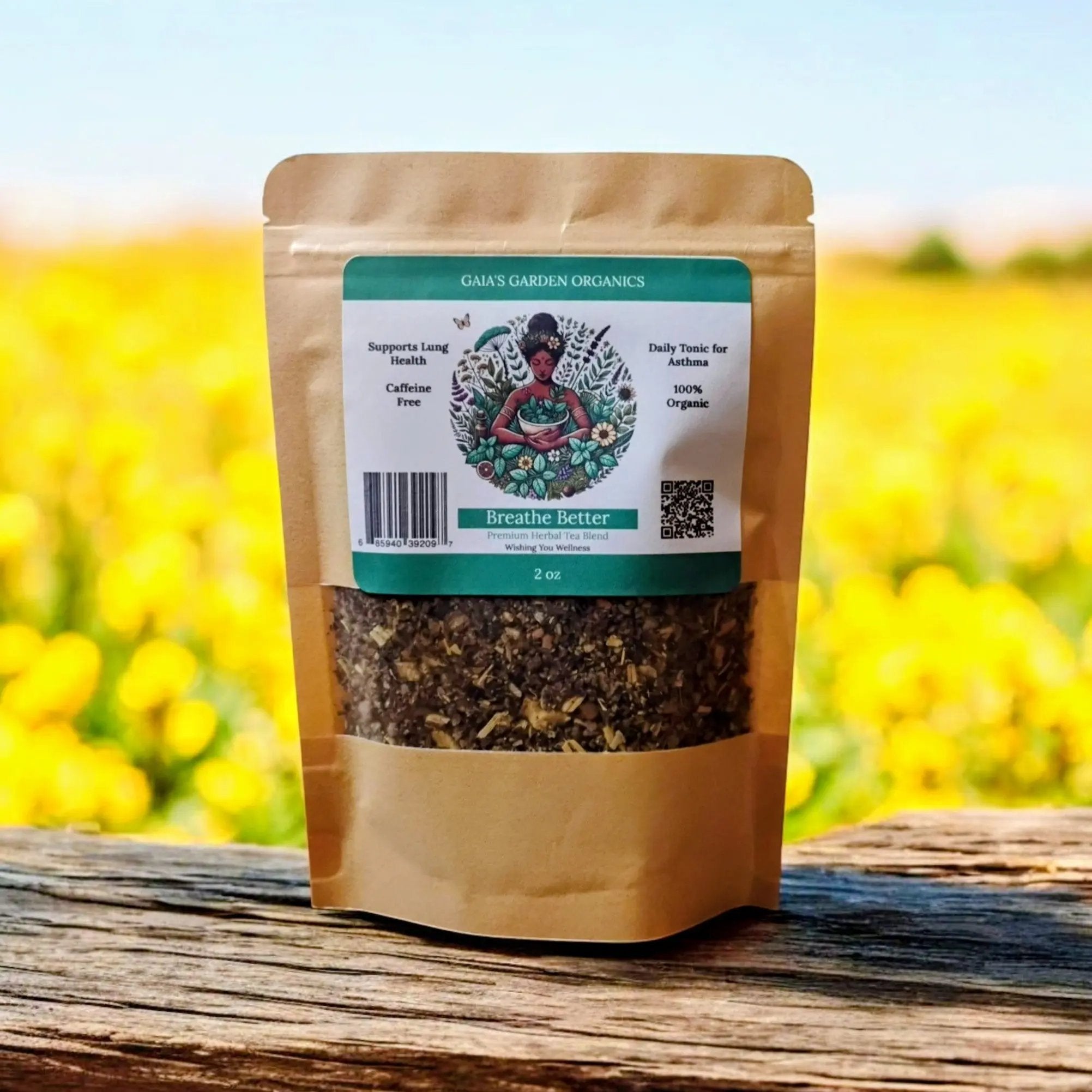
Breathe Better Tea combines three clinically proven respiratory herbs in therapeutic concentrations for comprehensive lung wellness. Clinical herbalist-formulated with mullein, thyme, and licorice to support clear airways, reduce inflammation, and strengthen respiratory resilience naturally.
Shop Breathe Better TeaHow to Brew and Use Breathe Better Tea for Optimal Respiratory Support
Proper preparation maximizes the therapeutic compounds in the best herbal tea for respiratory wellness and lung support.
The Proper Brewing Method for Maximum Respiratory Benefit
- Amount: Use 2-3 teaspoons of Breathe Better Tea per 8-12 oz cup
- Water: Pour freshly boiled water over herbs
- CRITICAL - Cover while steeping: This traps aromatic compounds and volatile oils that provide direct respiratory benefits
- Steep time: 10-15 minutes minimum—longer than typical tea—to extract demulcent and anti-inflammatory compounds
- Strain and sip: Drink while warm (not scalding hot) to maximize soothing effects
Pro tip: The steam from your tea is part of the medicine. As you drink, inhale the aromatic steam deeply—the warming, spicy notes from cinnamon and the soothing vapors provide immediate respiratory benefits through inhalation while the tea works systemically.

Optimal Dosing for Different Respiratory Needs
- Prevention/maintenance: 1-2 cups daily during cold/flu season or allergy season to strengthen respiratory defenses
- Active respiratory support: 3-4 cups daily when experiencing congestion, cough, or breathing difficulty
- Chronic conditions: 2-3 cups daily as ongoing lung support for asthma, COPD, chronic bronchitis, or persistent respiratory issues
- Post-illness recovery: 2 cups daily for 2-3 weeks after respiratory infection to support complete lung clearing and tissue healing
- Environmental exposure: 2 cups daily when exposed to air pollution, smoke, or occupational respiratory irritants
Consistency is key. Daily use of the best herbal tea for respiratory wellness and lung support provides cumulative benefits—strengthening respiratory tissues, reducing baseline inflammation, and supporting optimal lung function over time.
When to Drink Your Respiratory Tea for Best Results
- Morning: Helps clear overnight mucus accumulation and starts your day with clear airways
- Throughout the day: Maintains respiratory support, especially during illness or high allergen exposure
- Evening: Supports clear breathing through the night (many respiratory symptoms worsen at night when lying down)
- During steam inhalation: Drink while inhaling the aromatic steam for dual respiratory benefits
- Before exposure: Drink a cup 30 minutes before entering high-allergen or polluted environments for preventive support
Breathe Better Tea vs. Over-The-Counter Respiratory Medications
Understanding how the best herbal tea for respiratory wellness and lung support compares to pharmaceutical options helps you make informed choices:
| Factor | Breathe Better Tea | Cough Suppressants | Decongestants | Expectorants |
|---|---|---|---|---|
| Mechanism | Supports body's natural respiratory healing and clearance | Suppresses cough reflex in brain | Constricts blood vessels to reduce swelling | Forces mucus thinning |
| Side Effects | Minimal—primarily beneficial effects | Drowsiness, constipation, dependency risk | Jitteriness, insomnia, rebound congestion | Nausea, dizziness, headache |
| Long-term Use | Safe and beneficial—strengthens respiratory system | Not recommended—can worsen conditions | Causes rebound congestion; dependency | Generally safe but doesn't address root causes |
| Mucus Management | Normalizes production—clearing excess while protecting tissues | No effect; may accumulate mucus dangerously | Excessive drying; damaged tissues | Thins mucus but may overproduce |
| Tissue Healing | Contains compounds that heal and strengthen respiratory tissue | No healing—purely symptomatic | No healing—can damage with overuse | No healing properties |
| Cost | Economical for daily use and prevention | Expensive for ongoing use | Moderate cost; not preventive | Moderate cost; symptomatic only |
The Rebound Effect Problem
Many OTC decongestant nasal sprays cause rebound congestion—when you stop using them, your symptoms return worse than before. Cough suppressants can cause mucus accumulation that leads to secondary infections. Breathe Better Tea doesn't suppress symptoms; it supports your body's natural ability to maintain clear airways and heal respiratory tissue. There's no rebound effect—only sustained respiratory wellness and stronger lung function over time.
FAQ: Best Herbal Tea for Respiratory Wellness and Lung Support
How quickly will I notice breathing improvement?
The timeline varies depending on whether you're addressing acute illness or chronic respiratory issues:
Immediate effects (within 30-60 minutes):
- Soothed throat and chest from demulcent action
- Easier mucus clearance—coughs become more productive
- Reduced irritation and urge to cough
- Warming sensation in respiratory passages from aromatic steam
Short-term (2-3 days of consistent use):
- Noticeable reduction in coughing frequency and intensity
- Clearer chest—ability to take deeper breaths
- Improved ability to clear mucus productively
- Reduced congestion and tightness
Medium-term (1-2 weeks):
- Sustained respiratory improvement as inflammation reduces
- Strengthened lung tissue
- Better overall breathing capacity
- More resilience to respiratory irritants
- Recovery from respiratory infections accelerating
Long-term (1-3 months for chronic conditions):
- Cumulative benefits as respiratory tissues heal and strengthen
- Reduced frequency of respiratory infections
- Better baseline lung function
- Less reactive to allergens and environmental irritants
For chronic conditions like asthma or COPD, consistent use over months provides the most significant benefits as lung tissue health improves and inflammation reduces.
Can I drink this tea if I have asthma or COPD?
Many people with asthma or COPD find Breathe Better Tea helpful as complementary support to their prescribed treatments. The herbs have gentle anti-inflammatory and expectorant properties that can support easier breathing and lung tissue health.
Important considerations:
- Never stop or reduce prescribed medications (inhalers, steroids, bronchodilators) without medical supervision
- Inform your pulmonologist or doctor that you're using herbal respiratory support
- The tea works synergistically with medications—it doesn't replace them
- Many users report improved baseline lung function and reduced exacerbation frequency over time (always with doctor awareness)
- Start with 1 cup daily to assess tolerance, then increase to 2-3 cups
Clinical observation: People with chronic respiratory conditions often benefit most from consistent daily use as preventive support. The herbs strengthen respiratory tissue resilience, reduce baseline inflammation, and support the lungs' natural defense mechanisms—potentially reducing the frequency and severity of flare-ups.
Licorice note: Those with high blood pressure should consult their healthcare provider before regular use, as licorice can affect blood pressure in some individuals.
Is this safe for children with coughs and respiratory issues?
Yes, the herbs in Breathe Better Tea are generally safe for children over age 2, with adjusted dosing. Respiratory herbs like mullein, thyme, and licorice have long histories of safe pediatric use for coughs, congestion, and respiratory support.
Child dosing guidelines:
- Ages 2-6: 1/4 to 1/2 cup, diluted with water or juice if needed, 2-3 times daily
- Ages 6-12: 1/2 to 1 full cup, 2-3 times daily
- Ages 12+: Adult dosing (1 cup, 2-4 times daily)
Making it kid-friendly:
- The naturally sweet taste from licorice makes it more palatable for children
- Add honey (for children over 1 year) for additional throat-soothing benefits and improved taste
- Dilute with water or apple juice if the herbal taste is too strong
- Serve warm but not hot to avoid burns
When to use for children:
- Colds and flu causing cough and congestion
- Croup (under medical supervision)
- Bronchitis or chest colds
- Post-viral cough that lingers
- Seasonal allergies affecting breathing
- Environmental irritant exposure (smoke, pollution)
Safety note: For infants under 2 years or children with serious respiratory conditions, always consult a pediatrician before using herbal remedies. For acute respiratory distress, difficulty breathing, or high fever, seek immediate medical attention.
Should I drink this year-round or just when I'm sick?
Both approaches work, but the benefits differ significantly:
Preventive daily use (1-2 cups during high-risk seasons):
- Strengthens respiratory tissues before problems arise
- Maintains healthy mucus production and clearance
- Reduces baseline inflammation in airways
- Supports immune function in respiratory tract
- Makes you more resilient to respiratory infections and allergens
- Particularly valuable during cold/flu season, allergy season, or winter months
Acute use when sick (3-4 cups daily):
- Provides immediate symptom relief
- Helps clear infection faster
- Supports healing of inflamed and irritated tissues
- Shortens duration of respiratory illness
- Prevents complications like secondary bacterial infections
For chronic respiratory conditions: Consistent daily use (2-3 cups) provides the best long-term benefits by maintaining lung health, reducing inflammation, and preventing flare-ups rather than just responding to acute symptoms.
Seasonal approach: Many people increase their use during:
- Fall/winter (cold and flu season)
- Spring (allergy season)
- Periods of poor air quality or wildfire smoke
- Times of increased stress (which compromises respiratory immunity)
This seasonal prevention approach works well for building resilience before peak respiratory challenge times arrive.
Can I use this tea with my inhaler and other asthma medications?
Yes, Breathe Better Tea can be used alongside asthma medications and inhalers. The herbs work through different mechanisms than pharmaceutical bronchodilators or corticosteroids, providing complementary support rather than interference.
How they work together:
- Inhalers (bronchodilators): Provide immediate airway opening for acute symptoms
- Inhaled corticosteroids: Reduce inflammation through pharmaceutical mechanisms
- Breathe Better Tea: Provides botanical anti-inflammatory support, strengthens respiratory tissue, supports mucus clearance, and addresses underlying lung health
What many people experience:
- Better baseline lung function between medication doses
- Reduced frequency of needing rescue inhaler
- Fewer respiratory infections and exacerbations
- Improved ability to manage asthma symptoms
- Over time, some people work with their doctor to reduce corticosteroid dosages (never stop medications without medical supervision)
Important safety protocols:
- Always inform your pulmonologist or doctor about herbal support you're using
- Never reduce or stop asthma medications without medical supervision
- Keep rescue inhalers available—herbs are preventive and supportive, not emergency treatment
- Track your peak flow and symptoms to show your doctor how herbal support is working
The goal: Most people use the tea as foundational respiratory support that reduces the burden on their lungs and potentially reduces medication needs over time—but this should always happen gradually under medical guidance.

Breathe Easier with Natural Respiratory Support
Stop relying on symptom suppressants and experience clinical herbalist-formulated respiratory support. Breathe Better Tea combines three powerful organic herbs for comprehensive lung wellness—clearing mucus, soothing irritation, reducing inflammation, and supporting clear breathing naturally.
Try Breathe Better TeaRelated products from our apothecary
Handcrafted in Umpire, Arkansas by Gaia Devi, clinical herbalist.
Explore our apothecary
Learn more
Flower Essences 101
A clinical herbalist's plain-English guide to what flower essences are and how to take them.
Find your match
Find your flower essence
9-question quiz matching your current emotional state to one of our five essences.
Shop the apothecary
Medicinal Herbal Teas
Loose-leaf, clinical-herbalist-blended teas — each built around a specific job.