In this article (25)▾
Tea That Is Good For Your Skin: Natural Anti-Inflammatory Support for a Healthy Glow
Clinical Herbalist Guide to Acne, Eczema & Radiant Skin from Within
Many people invest heavily in topical creams, serums, and treatments while overlooking the internal root causes of their skin concerns. But even the most expensive serum cannot fix an issue that starts in the gut, liver, or lymphatic system. The skin is your body's largest organ of elimination—when your primary detoxification pathways (liver, kidneys, bowels) become overburdened, your body will attempt to eliminate waste through the skin. This is what creates chronic acne, rashes, and inflammatory conditions.
Incorporating tea that is good for your skin is a powerful, gentle, and effective way to address the source of inflammation from the inside out. These herbs provide your body with anti-inflammatory compounds, antioxidants, and detoxification support—everything needed for a clear, healthy glow that no topical product can replicate.
The Inside-Out Approach: How Herbal Tea Supports Skin Health
When you drink tea that is good for your skin, you are harnessing specific plant actions that support the body's key systems of elimination, inflammation control, and cellular repair. Instead of just masking symptoms topically, these herbs work to restore balance at the root cause level.
Anti-Inflammatories
These herbs contain compounds that cool and soothe systemic inflammation—the root cause of "hot" skin conditions like acne, rosacea, psoriasis, and eczema. They work throughout the body, not just on the skin's surface.
Alteratives (Blood Cleansers)
Also called "blood purifiers," these herbs support the liver, kidneys, and lymphatic system—your body's primary filtration organs. When these systems function optimally, metabolic waste doesn't get "pushed out" through the skin.
Antioxidants
These compounds protect your skin cells from free radical damage caused by sun exposure, pollution, stress, and aging. They preserve collagen, prevent premature aging, and support cellular repair mechanisms.
Nutritive Tonics
Some herbs are literal "skin food"—rich in essential minerals like silica, zinc, sulfur, and B vitamins that are required to build strong, resilient, and healthy skin tissue from the inside out.
The beauty of this approach is that it addresses why your skin is struggling, not just what your skin looks like. When you support your body's natural detoxification and repair systems, your skin naturally becomes clearer, more resilient, and more radiant.
Top Herbs for Glowing Skin: Your Clinical Herbalist's Toolkit
When crafting tea that is good for your skin, I consistently turn to these five herbal powerhouses. Each addresses skin health from a different, vital angle—and together, they create a comprehensive approach to radiant skin.
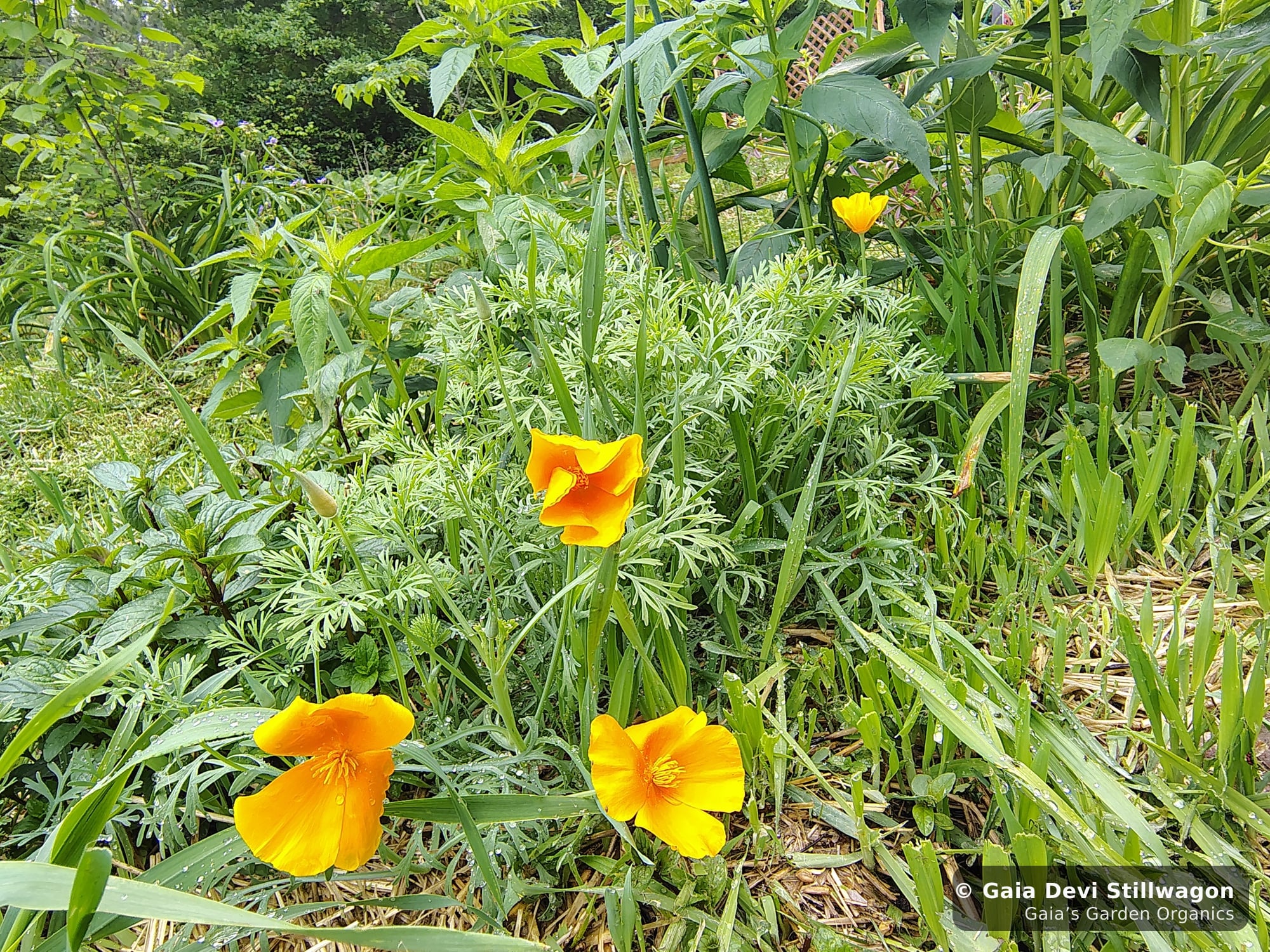
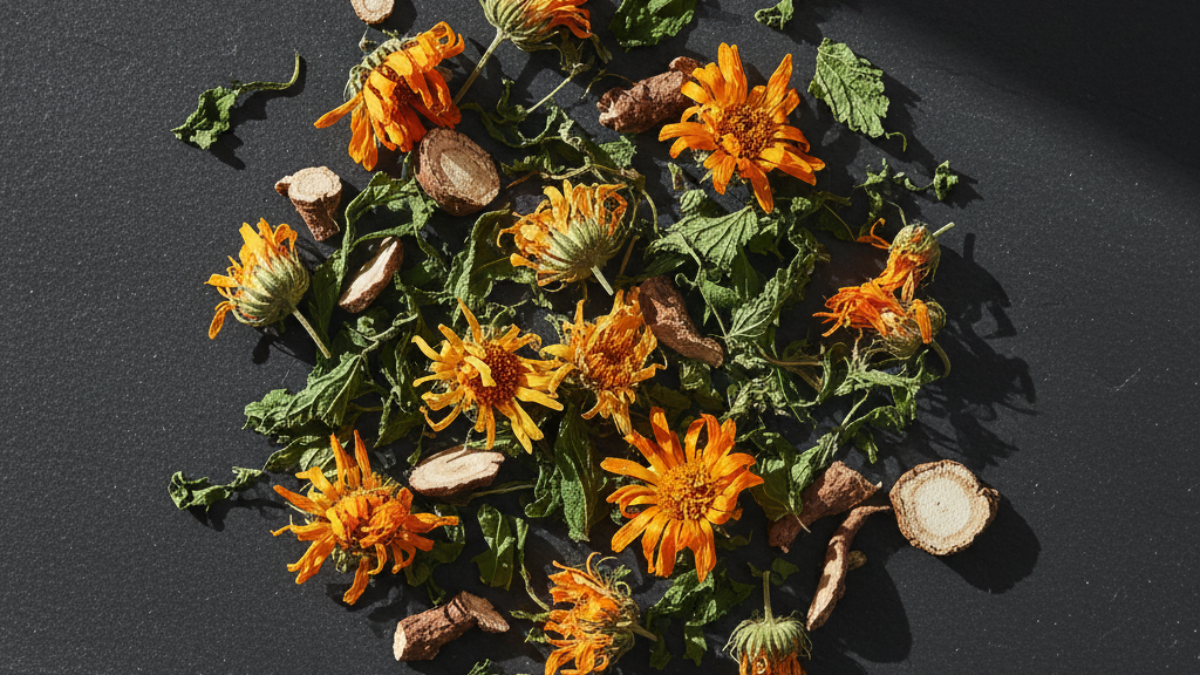
1. Calendula (Calendula officinalis)
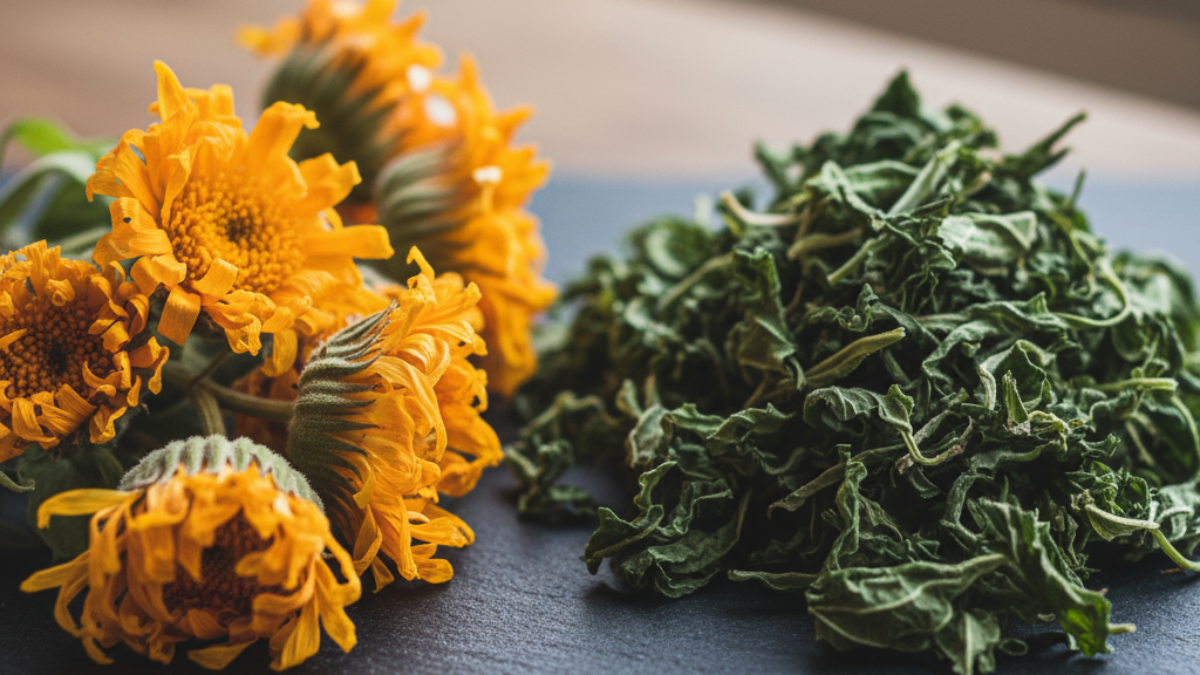
How It Works: Calendula is what I call a "skin whisperer." It's a premier anti-inflammatory that soothes irritated tissues on contact, both internally and externally. As a powerful lymphatic herb, it helps move stagnant fluid and cellular waste away from the skin, clearing up congestion that manifests as breakouts or puffiness. Its vulnerary (wound-healing) properties promote cellular repair and regeneration.
Clinical Note: This is my primary go-to herb for any "hot," irritated, or damaged skin presentation. It's incredibly gentle—safe even for sensitive skin—but profoundly effective at calming redness, reducing inflammation, and promoting tissue healing. I use it both internally (as tea) and externally (as a facial rinse).
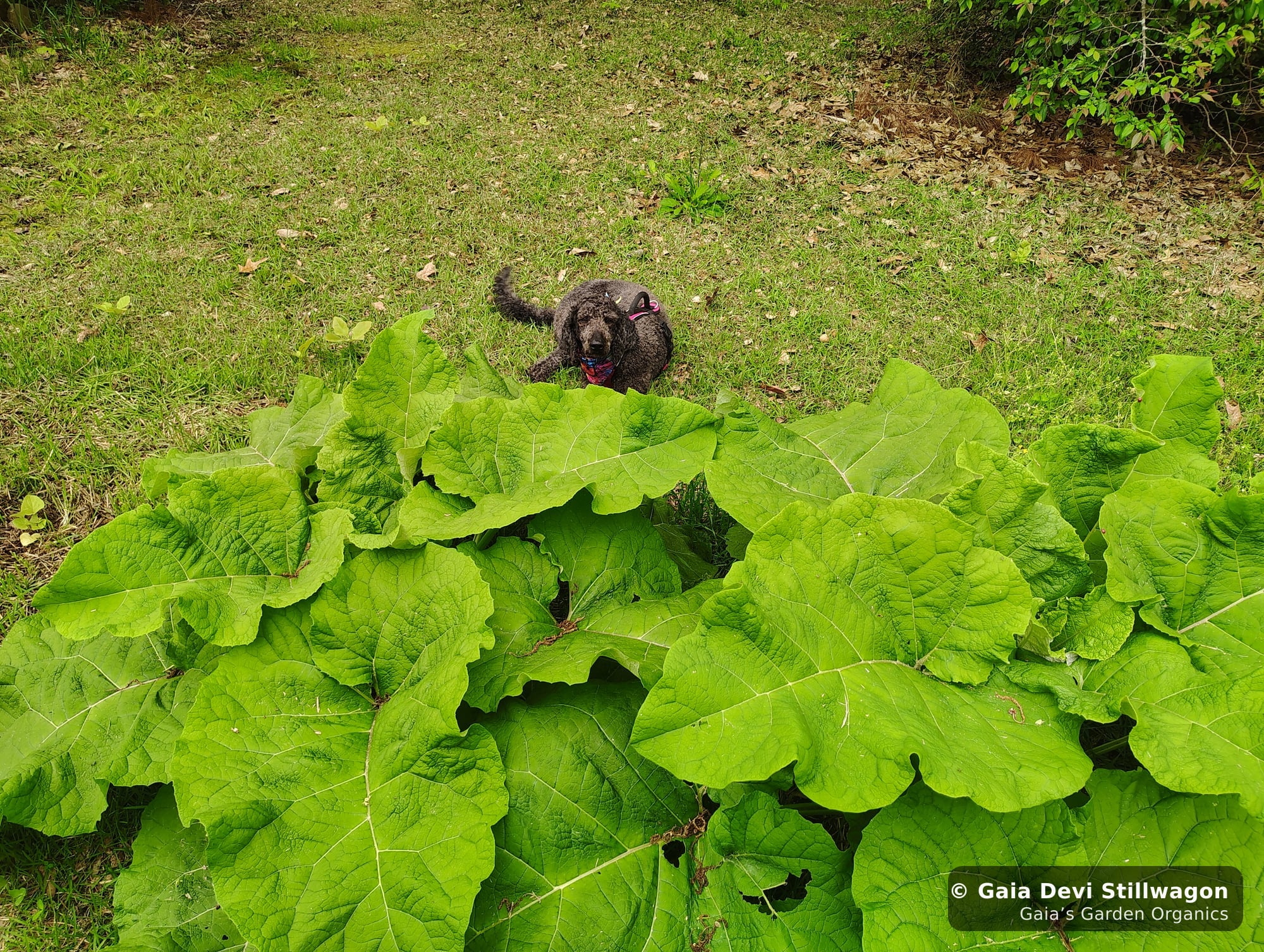
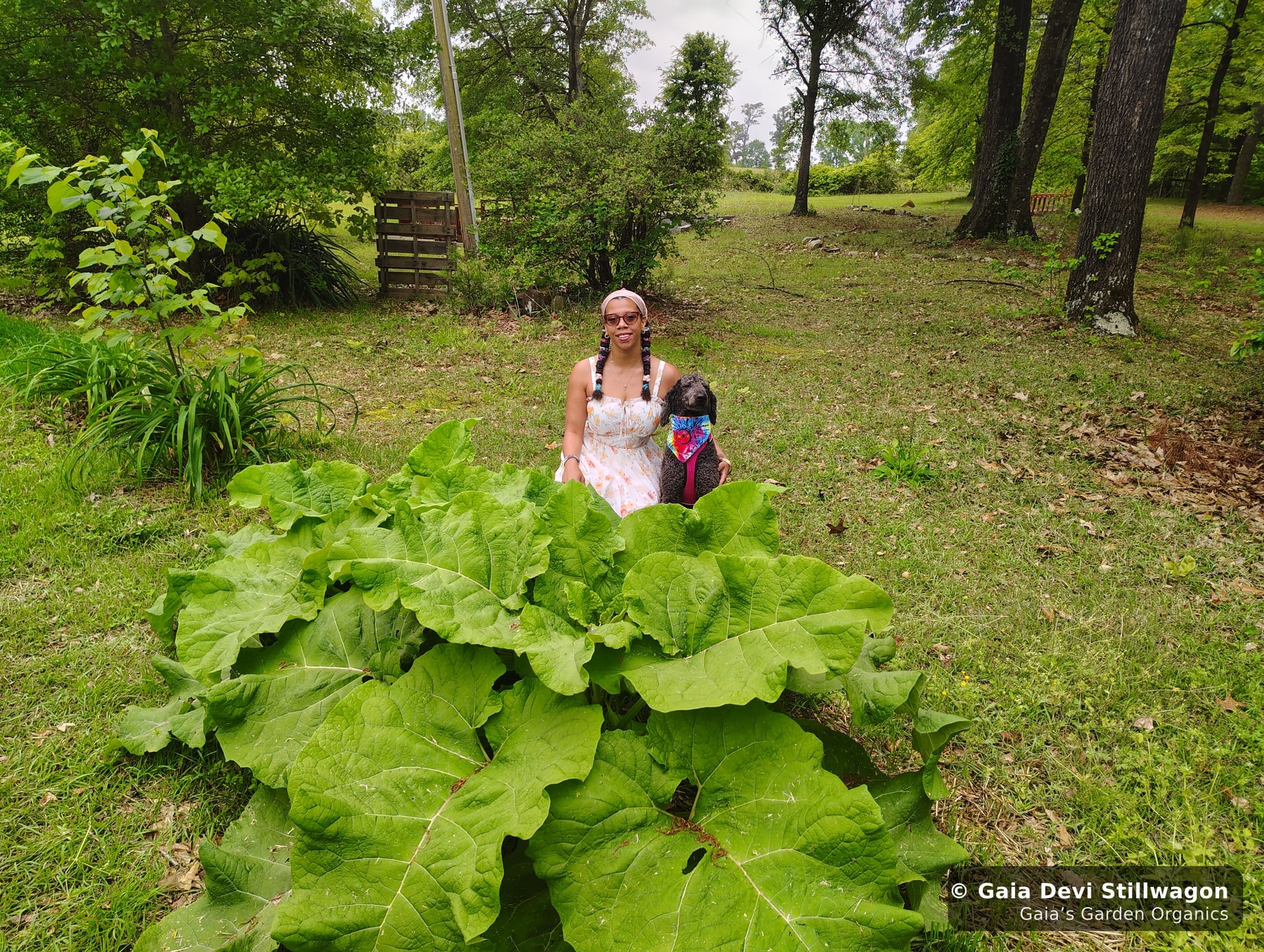
2. Burdock Root (Arctium lappa)
How It Works: Burdock is the quintessential "detox" herb in Western herbalism. It's a powerful alterative (blood cleanser) that supports liver function, enhances bile flow, and stimulates the elimination of metabolic waste products through proper channels (bowels and kidneys) rather than through the skin. This effectively "unburdens" the skin from the inside out. Its bitter compounds also stimulate digestion, which is crucial since poor digestion often underlies chronic skin issues.
Clinical Note: For chronic, "stuck" skin conditions like cystic acne, stubborn psoriasis, or recurring boils, I almost always recommend Burdock root. These conditions indicate sluggish internal systems—particularly the liver and lymph. Burdock addresses the root cause, not just the symptom. Results take 4-6 weeks of consistent use, but they are profound and lasting.
3. Nettle Leaf (Urtica dioica)
How It Works: Nettle is pure skin food. It is exceptionally rich in bioavailable minerals—particularly silica, calcium, iron, and zinc—the literal building blocks of healthy skin, hair, and nails. Silica is essential for collagen production and skin elasticity. Its natural astringency helps to tone and firm skin tissue. Additionally, nettle's natural antihistamine properties make it effective for calming "allergic" skin presentations like hives or certain types of eczema.
Clinical Note: I recommend nettle as a daily nutritive tonic for anyone wanting to build stronger, more resilient skin from within. Make a strong infusion (1 ounce of dried leaf steeped in 1 quart of water for 4+ hours) and drink it throughout the day. The mineral content is extraordinary and will nourish every cell in your body, especially your skin.
4. Chamomile (Matricaria chamomilla)
How It Works: As we discussed in our gut health and sleep articles, chamomile calms the nervous system and soothes the gut-brain axis. This is absolutely critical for skin health. Stress (via elevated cortisol) and gut inflammation are two of the biggest triggers for acne flare-ups, rosacea, and inflammatory skin conditions. Chamomile's anti-inflammatory compounds also work directly on skin tissue when consumed internally or applied topically.
Clinical Note: Never underestimate the stress-skin connection. A cup of chamomile tea calms the nervous system, which in turn calms the inflammatory cascade in your skin. For those with stress-triggered breakouts or rosacea, chamomile is non-negotiable. It works on both the emotional root and the physical inflammation.
5. Red Clover (Trifolium pratense)
How It Works: Red clover is another powerful alterative that supports lymphatic drainage and detoxification. It's particularly effective for hormonal skin issues (like adult acne along the jawline) due to its mild phytoestrogenic properties, which can help balance hormones that trigger breakouts. It also contains isoflavones—plant compounds with antioxidant and anti-inflammatory effects.
Clinical Note: For women experiencing cyclical breakouts tied to their menstrual cycle, red clover can be transformative. It works slowly and gently to balance hormones over time. I recommend it as part of a long-term protocol (3+ months) for best results.
The Clinical Recommendation: Your Daily Skin Health Ritual
To see real, lasting results with tea that is good for your skin, consistency is more important than quantity. Drinking skin-supportive herbs must become a daily ritual, not an occasional practice. Here's exactly how I recommend structuring it:
Internal Ritual: Drinking Your Skincare
Timing: 2-3 cups daily, consumed consistently for at least 4-6 weeks
Best Herbs: Nettle infusion (morning), Burdock tea (afternoon), Calendula-Chamomile blend (evening)
Unlike carminative herbs for bloating (which work within minutes) or nervine herbs for sleep (which work within an hour), herbs for skin health require patience and consistency. They are working on deep, systemic levels—supporting liver detoxification, balancing hormones, nourishing tissues, and reducing chronic inflammation. Skin cells take approximately 28-40 days to turn over completely, so you must commit to at least one full skin cycle to see significant results.
Morning Protocol: Nettle Nourishment
Make a 1-quart (32oz) Mason jar infusion of nettle leaf every morning. Use 1 ounce (about 1 cup) of dried nettle leaf, pour boiling water over it, cover tightly, and let it steep for at least 4 hours (or overnight). Strain and sip throughout the day. This provides a steady supply of skin-building minerals—silica, calcium, iron, and zinc. It's like a multivitamin your body can actually absorb and use.
Afternoon Support: Burdock Decoction
For chronic skin issues, add a burdock root decoction to your routine. Simmer 2 tablespoons of dried burdock root in 2 cups of water for 20 minutes. Strain and drink. This supports your liver's detoxification pathways and helps eliminate the metabolic waste that would otherwise surface through your skin.
Evening Calm: Calendula-Chamomile Blend
Before bed, enjoy a soothing cup of calendula and chamomile tea. This addresses both the stress-skin connection (via chamomile's nervine action) and provides direct anti-inflammatory support (via calendula). It's the perfect end to your skin-supportive day.
External Ritual: Topical Tea Applications
Timing: Morning and/or evening after cleansing
Best Herbs: Chamomile or Calendula
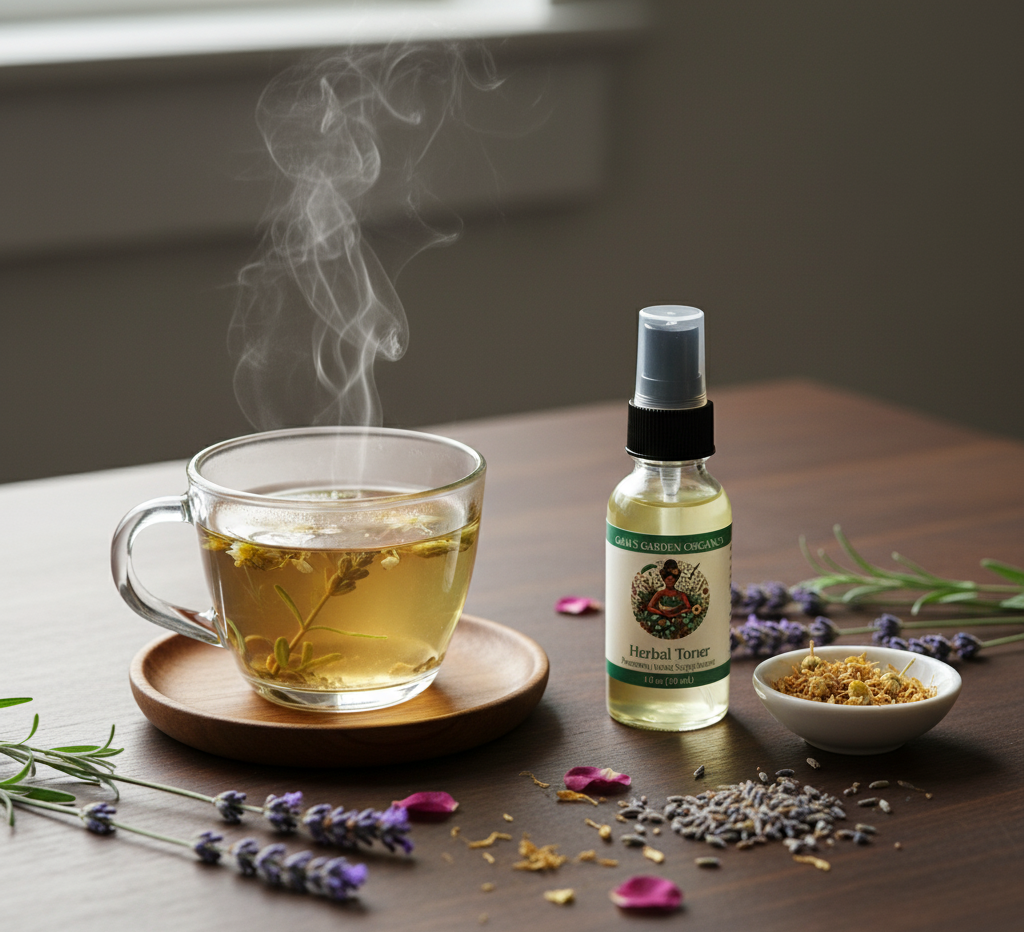
Don't just drink your tea—use it directly on your skin for dual internal-external benefits. Brew a very strong cup of calendula or chamomile tea (use 2-3 tea bags or a large handful of loose herb), let it cool completely, and pour it into a small spray bottle. Store in the refrigerator for up to 3 days.
How to Use: After cleansing your face, spray the cooled herbal tea directly onto your skin as a toner. The anti-inflammatory properties will instantly soothe redness and irritation. Let it air dry, then apply your moisturizer. You can also soak a clean washcloth in the tea and use it as a compress on inflamed areas for 10 minutes.
Shop our Organic Calendula & Chamomile Teas for both internal and external skin support.
The Gut-Skin Axis: Why Digestive Health Matters
One of the most important things I teach clients about skin health is this: your skin is a reflection of your gut. The gut-skin axis is a well-established connection in both traditional herbalism and modern research. When your digestive system is inflamed, imbalanced, or dealing with dysbiosis (bacterial imbalance), inflammation signals travel throughout your body—including to your skin.
Common gut issues that manifest as skin problems:
- Leaky gut: Allows partially digested food particles and toxins to enter the bloodstream, triggering systemic inflammation and immune reactions that show up as acne, eczema, or rosacea
- Dysbiosis: Imbalanced gut bacteria produce inflammatory compounds and fail to produce the nutrients your skin needs
- Poor digestion: Inadequate breakdown of food means nutrients aren't available for skin repair and regeneration
- Constipation: When elimination is sluggish, toxins that should exit through the bowels get reabsorbed and eliminated through the skin instead
This is why many of the herbs we use for skin are also digestive herbs. Burdock stimulates bile flow. Chamomile soothes gut inflammation. Nettle provides minerals needed for healthy gut lining. By healing your gut, you heal your skin.
Recommended reading: Check out our article on Tea That Is Good For Your Gut to learn more about the digestive herbs that support clear skin.
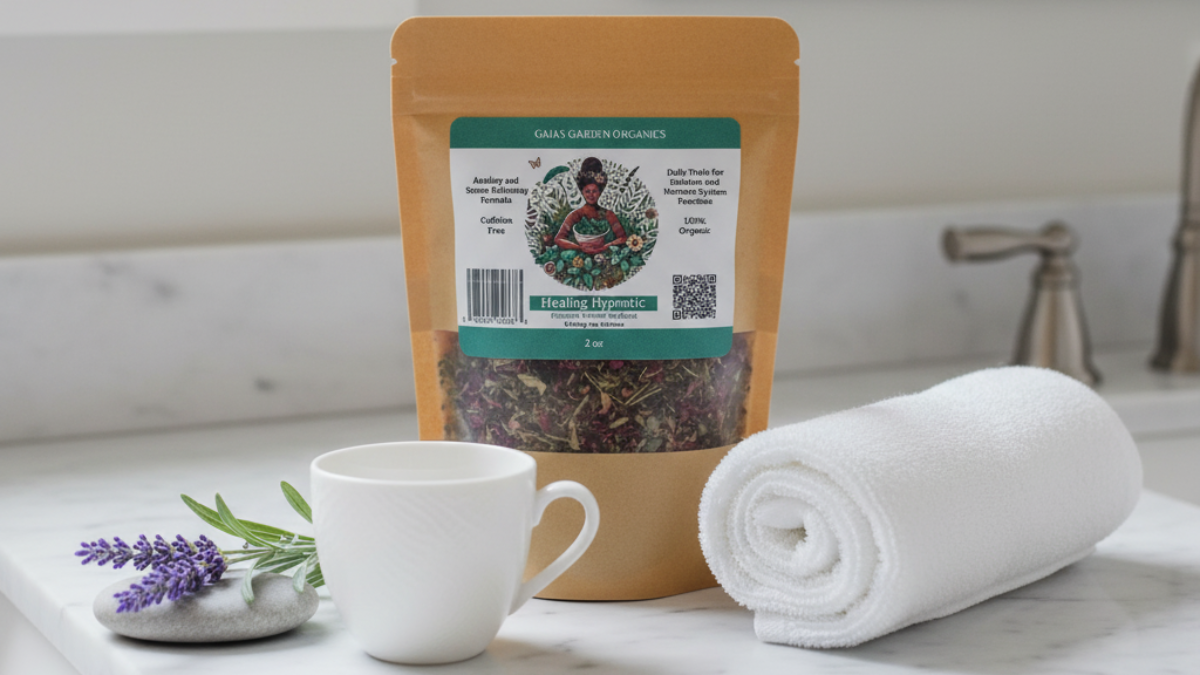
Product Spotlight: Healing Hypnotic for Stress-Skin Support
Many chronic skin issues are triggered or worsened by stress. Our Healing Hypnotic blend combines anti-inflammatory chamomile with calming nervines like passionflower and lavender. This formula helps soothe your nervous system from the inside out, breaking the stress-inflammation-breakout cycle. Calmer mind, calmer gut, calmer skin.
Shop All Organic TeasFAQ: Tea and Skin Health
How long until I see results in my skin from drinking tea that is good for me?
Patience and consistency are essential. While anti-inflammatory herbs like calendula can reduce redness in the short term (days to weeks), herbs that support detoxification (alteratives like burdock) and build new tissue (nutritives like nettle) require more time.
You must commit to at least one full skin cycle (4-6 weeks) of consistent daily use to see significant, lasting changes. Some people see improvements in 2-3 weeks, while others with chronic conditions may need 8-12 weeks. This timeline depends on the severity of your skin issues and how well your body's elimination pathways were functioning before you started.
Remember: herbs work with your body's natural healing timeline, not against it. Be patient, stay consistent, and trust the process.
Will drinking detox tea make me break out more at first?
This is possible but relatively rare. Sometimes called a "healing crisis" or "detox reaction," this occurs when your liver and lymphatic systems become more efficient at mobilizing stored toxins. There can be a brief period (a few days to a week) where toxins are being cleared faster than they can be eliminated through normal channels (bowels, kidneys), resulting in a temporary increase in breakouts.
If this happens:
- Stay very well hydrated (2-3 liters of water daily)
- Ensure you're having daily bowel movements (add fiber or gentle laxatives if needed)
- Reduce your herb dose by half and slowly work back up
- Support your lymphatic system with dry brushing or gentle movement
The flare-up should pass quickly. If it persists beyond 7-10 days, discontinue and consult with a clinical herbalist to adjust your protocol.
What is the best tea for anti-aging and wrinkles?
For anti-aging, you want two primary actions: antioxidant protection (to fight free radical damage) and structural support (to build and maintain collagen).
Best antioxidant teas:
- Green tea (Camellia sinensis) - extremely high in polyphenols and EGCG
- Rose hips - one of the highest natural sources of Vitamin C
- Hibiscus - rich in anthocyanins and Vitamin C
- Rooibos - contains unique antioxidants including aspalathin
Best building-block teas:
- Nettle leaf - rich in silica (essential for collagen production and skin elasticity)
- Horsetail - another excellent source of bioavailable silica
- Red clover - contains isoflavones that support skin thickness and elasticity
My recommendation: Alternate between a nettle infusion (for building blocks) and green tea or rose hip tea (for antioxidant protection) throughout your day.
Can I just use a tea bag directly on a pimple or inflamed area?
Yes! This is a wonderful herbalist trick for spot treatment. After steeping your tea bag, squeeze out excess liquid and let it cool to a comfortable warm (not hot) temperature. Hold the damp tea bag gently against the pimple, inflamed area, or patch of eczema for 5-10 minutes.
Best herbs for this:
- Chamomile - reduces inflammation and redness
- Calendula - promotes healing and soothes irritation
- Green tea - provides antioxidants and reduces bacterial growth
The combination of gentle warmth (which increases blood flow and lymphatic drainage to the area) and the herb's anti-inflammatory compounds creates a powerful spot treatment. You can do this 2-3 times daily on active breakouts or inflamed areas.
Should I drink tea that is good for my skin hot or cold?
Both work, but there are slight differences:
Hot tea: Better for circulation and warming the digestive system. The heat helps your body absorb and assimilate the medicinal compounds. Best for conditions that benefit from increased circulation and warmth.
Cold/Room temperature: Some herbs actually extract better in cool water over a long period (like nettle infusions steeped for 4-8 hours). Cold preparations are also more hydrating and refreshing, making them easier to drink in large quantities throughout the day.
My recommendation: Drink your burdock and chamomile-calendula blends hot. Make your nettle infusions at room temperature (long steeping method). Listen to your body and what feels most nourishing.
Can tea help with hormonal acne specifically?
Yes, certain herbs can be very helpful for hormonal acne, but it requires a more targeted approach:
Best herbs for hormonal balance:
- Red clover - mild phytoestrogen that helps balance hormones
- Spearmint tea - research shows it can reduce androgens (male hormones) that trigger acne
- Vitex (chaste tree berry) - best as a tincture, not tea, but very effective for hormone-related breakouts
Support herbs to add:
- Burdock root - helps liver metabolize and eliminate excess hormones
- Nettle - provides minerals needed for hormone production and balance
- Chamomile - reduces stress-related cortisol spikes that worsen hormonal acne
Hormonal acne typically requires 3-6 months of consistent herbal support to see significant improvement, as you're working to rebalance your entire endocrine system. Be patient and consistent.
Ready for Radiant Skin, Naturally?
True, lasting skin health starts from within. Stop fighting your skin and start nourishing it with the power of plant medicine. Our 100% organic, handcrafted herbal teas are formulated with clinical herbalist expertise to support your body's natural detoxification, repair, and regeneration systems. Every sip is a step toward a clearer, more radiant you.
Shop Skin-Supportive TeasExplore our apothecary
Learn more
Flower Essences 101
A clinical herbalist's plain-English guide to what flower essences are and how to take them.
Find your match
Find your flower essence
9-question quiz matching your current emotional state to one of our five essences.
Shop the apothecary
Medicinal Herbal Teas
Loose-leaf, clinical-herbalist-blended teas — each built around a specific job.