In this article (24)▾
Tea That Is Good For Your Gut: A Clinical Herbalist's Guide to Digestive Harmony
Natural Support for Bloating, Gas, Inflammation & Digestive Wellness
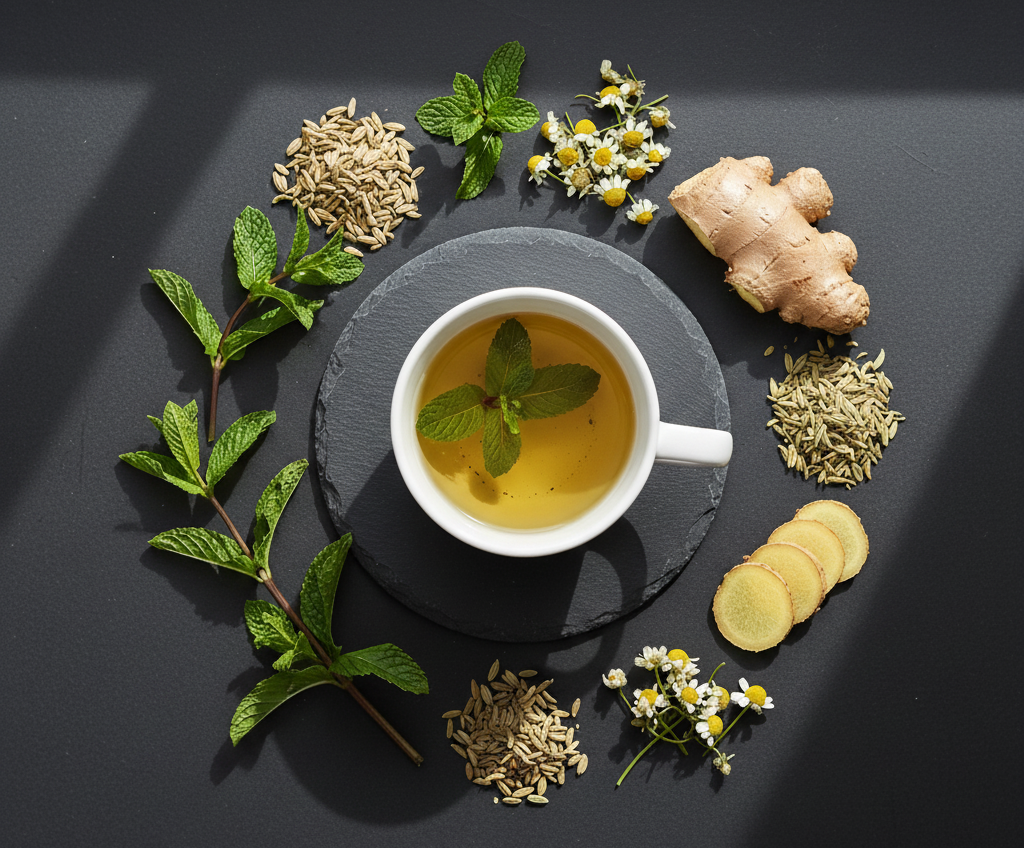
The search for tea that is good for you often leads directly to the question of digestion. Many common digestive complaints—from bloating and gas to sluggishness and discomfort—can be alleviated by incorporating specific, targeted herbs into your daily routine. This is not about harsh cleanses or quick fixes. It is about consistent, nourishing support that honors the body's natural wisdom.
The Mechanics of Herbal Digestive Support
When you drink tea that is good for your gut, you're not just consuming a pleasant beverage—you're engaging powerful plant compounds that work through several distinct mechanisms:
Carminatives
Volatile oils that relax digestive muscles, relieving gas, bloating, and cramping. They literally help "calm" the digestive fire.
Bitters
Stimulate production of digestive juices (saliva, stomach acid, bile), preparing the body to break down food efficiently.
Demulcents
Rich in mucilage that coats and soothes irritated mucous membranes, acting as a protective bandage for your gut lining.
Anti-Inflammatories
Contain compounds that reduce inflammatory responses in gut tissue, beneficial for chronic irritation and sensitivity.
Top Herbs for a Happy Gut: Your Clinical Herbalist's Toolkit
When choosing tea that is good for your gut, I recommend looking for these powerhouse ingredients. Each has been used for centuries in traditional herbal medicine and is backed by modern research:
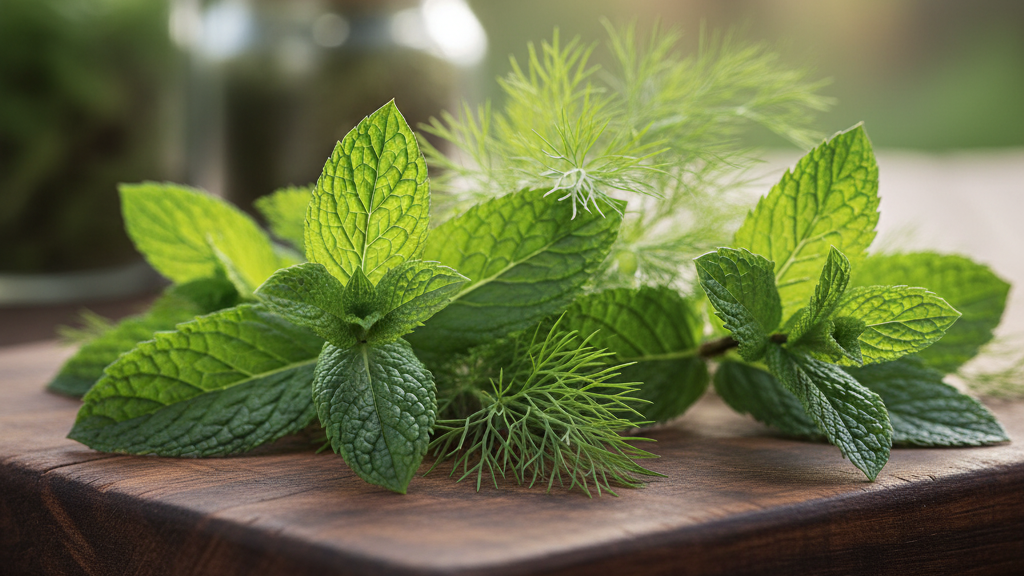
1. Peppermint (Mentha × piperita)
How It Works: Peppermint's volatile oil content (primarily menthol) relaxes the smooth muscles of the digestive tract, allowing trapped gas to move freely. It also has a cooling, anti-inflammatory effect on irritated tissues.
Clinical Note: Peppermint is so effective that many pharmaceutical digestive aids attempt to mimic its action. However, the whole plant offers a gentler, more holistic benefit without side effects.
2. Ginger (Zingiber officinale)
How It Works: Ginger's pungent compounds (gingerols and shogaols) increase circulation to the digestive organs, stimulate digestive enzyme production, and have powerful anti-nausea properties. It literally "warms up" sluggish digestion.
Clinical Note: Ginger is my go-to recommendation for those with weak or slow digestion, particularly in the morning or after travel.
3. Fennel (Foeniculum vulgare)
How It Works: Fennel contains anethole, a compound with antispasmodic properties that helps relax intestinal muscles and expel gas. It's gentler than peppermint, making it safe for sensitive individuals.
Clinical Note: Fennel has been used for centuries in traditional medicine to treat colic in babies. Its safety profile is excellent, even for the most vulnerable populations.
4. Chamomile (Matricaria chamomilla)
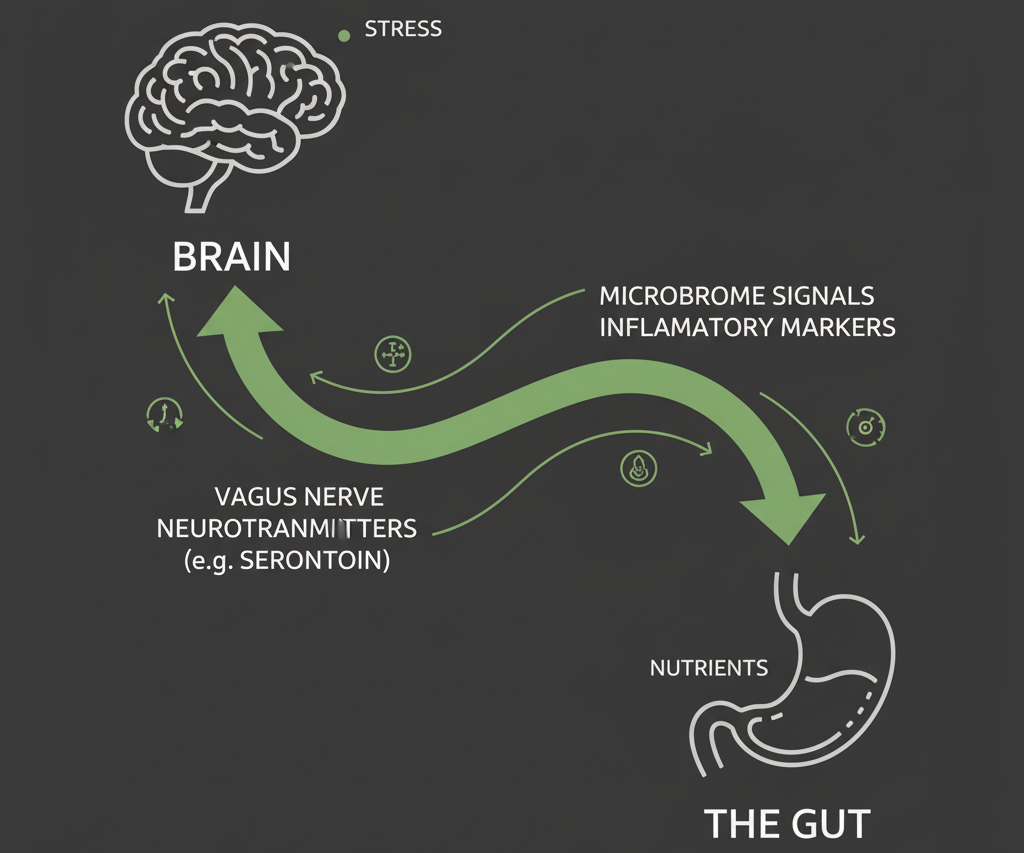
How It Works: Chamomile contains compounds (like apigenin) that bind to receptors in both the gut and the brain, reducing inflammation and calming the nervous system. This dual action makes it particularly effective for stress-related digestive issues.
Clinical Note: The gut-brain connection is powerful. When your mind is anxious, your gut often follows. Chamomile addresses both simultaneously.
5. Marshmallow Root (Althaea officinalis)
How It Works: When steeped in water, marshmallow root releases mucilage that forms a protective, slippery layer over mucous membranes. This layer shields damaged tissues while they heal and reduces immediate discomfort.
Clinical Note: Marshmallow root is often overlooked but is vital for those with chronic gut irritation or inflammatory conditions. It's one of the most gentle, effective herbs in the herbalist's toolkit.
The Clinical Recommendation: A Daily Digestive Ritual
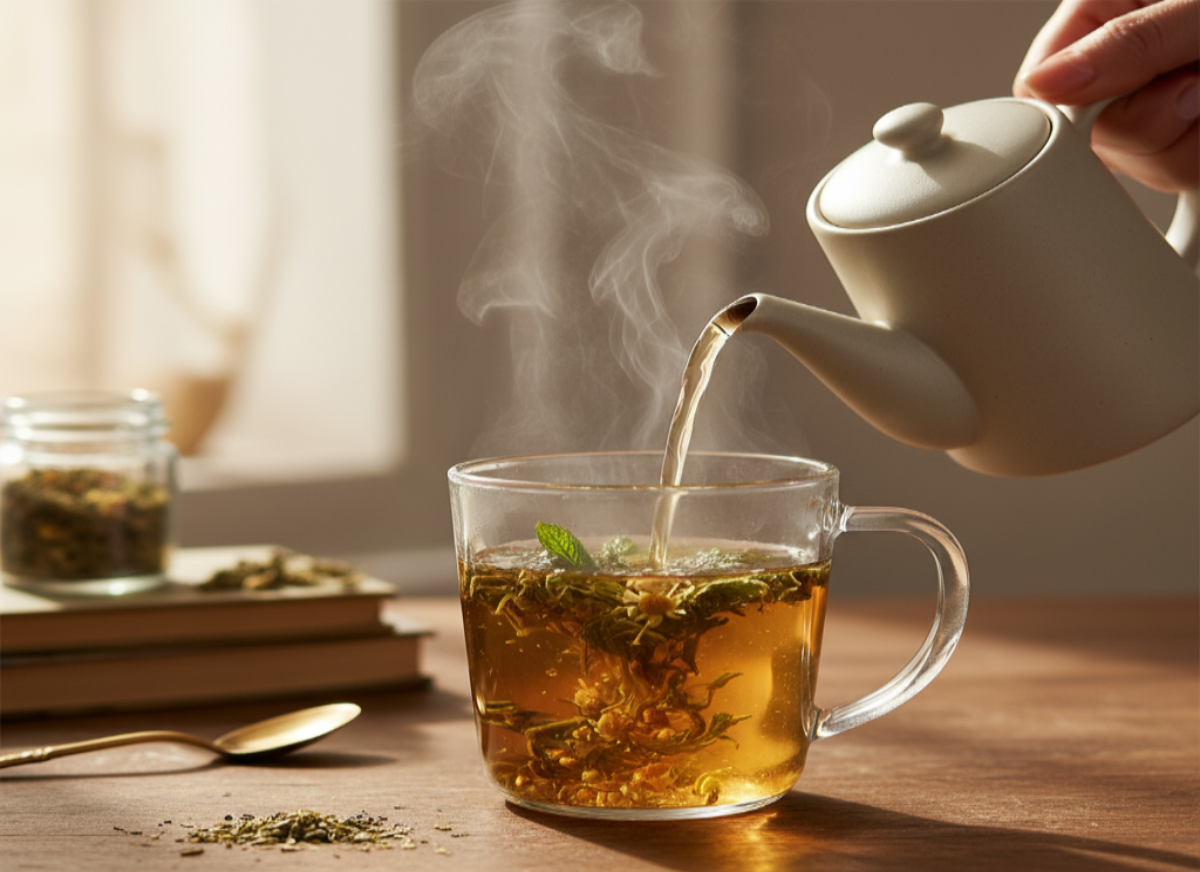
To maximize the benefits of tea that is good for you, I recommend creating a simple, consistent ritual. Ritual matters—it signals to your body that healing is happening.
After Meals: Carminative Support
Timing: 15-30 minutes after eating
Best Herbs: Peppermint, Fennel, Ginger
A cup of peppermint or fennel tea after meals provides immediate carminative action, helping to prevent post-meal bloating and discomfort. The volatile oils work quickly to relax the smooth muscles of the digestive tract, easing tension and allowing gas to pass naturally.
Pro Tip: Keep a small thermos of digestive tea blend ready to sip after meals, especially after heavier or richer foods.
Shop our Organic Peppermint Tea for after-meal digestive support.
Before Meals: Bitter Stimulation
Timing: 15 minutes before eating
Best Herbs: Bitter herbs (often in tincture form)
While we don't currently offer a pure bitter tea (bitters are more effective as tinctures due to their potency), a small sip of a bitter formula before meals can dramatically improve digestion by stimulating stomach acid production. This is particularly important as we age, when stomach acid production naturally declines.
Explore our Herbal Tincture Collection for bitter digestive support.
Before Bed: Calming the Gut-Brain Axis
Timing: 60 minutes before bedtime
Best Herbs: Chamomile, Lemon Balm, Passionflower
A cup of chamomile tea that is good for you before bed calms the nervous system, which directly reduces stress-related digestive upset. The gut-brain axis is highly sensitive to stress hormones. A relaxed mind leads to a relaxed gut, allowing proper overnight digestion and elimination.
Try our Organic Chamomile Tea for evening digestive calm.
Beyond the Brew: Lifestyle Factors for Gut Health
As a clinical herbalist, I must emphasize that tea that is good for you is a powerful tool, but it works best in conjunction with healthy lifestyle habits. Even the most potent herbal blend cannot overcome chronic poor habits.
Essential Lifestyle Practices
- Chew Thoroughly: Aim for 20-30 chews per bite. Digestion begins in the mouth.
- Eat in a Relaxed State: Avoid eating at your desk, while driving, or during stressful conversations.
- Stay Hydrated: Essential for producing digestive juices, but avoid large amounts of water during meals.
- Move Your Body: A 10-15 minute walk after meals stimulates peristalsis.
- Manage Stress: Chronic stress is a leading cause of digestive dysfunction.
Product Spotlight: Gaia's Garden Digestive Support
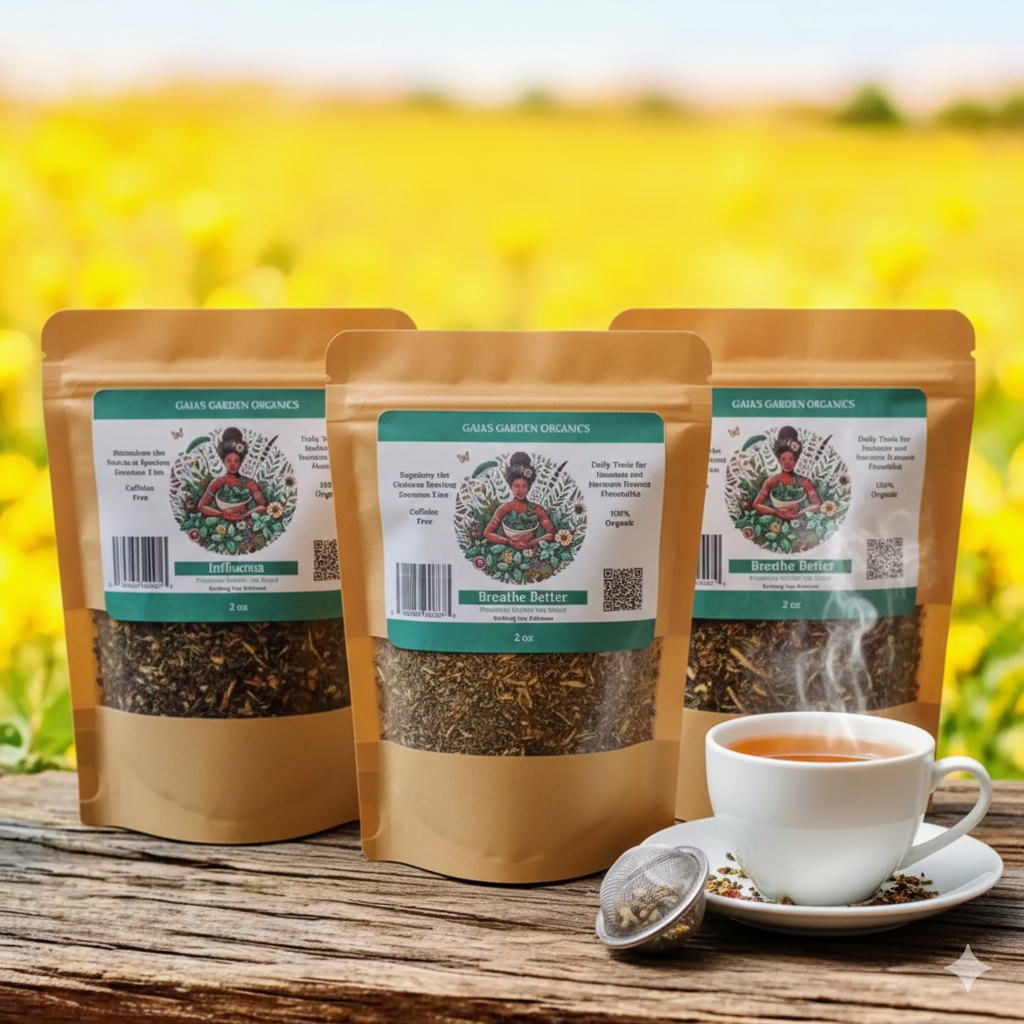
At Gaia's Garden Organics, we grow our herbs from seed using 100% organic practices. Every tea that is good for you is handcrafted with intention and clinical herbalist expertise. Our collection includes pure peppermint, ginger, chamomile, and custom digestive blends designed specifically for gut health.
Shop All Organic Teas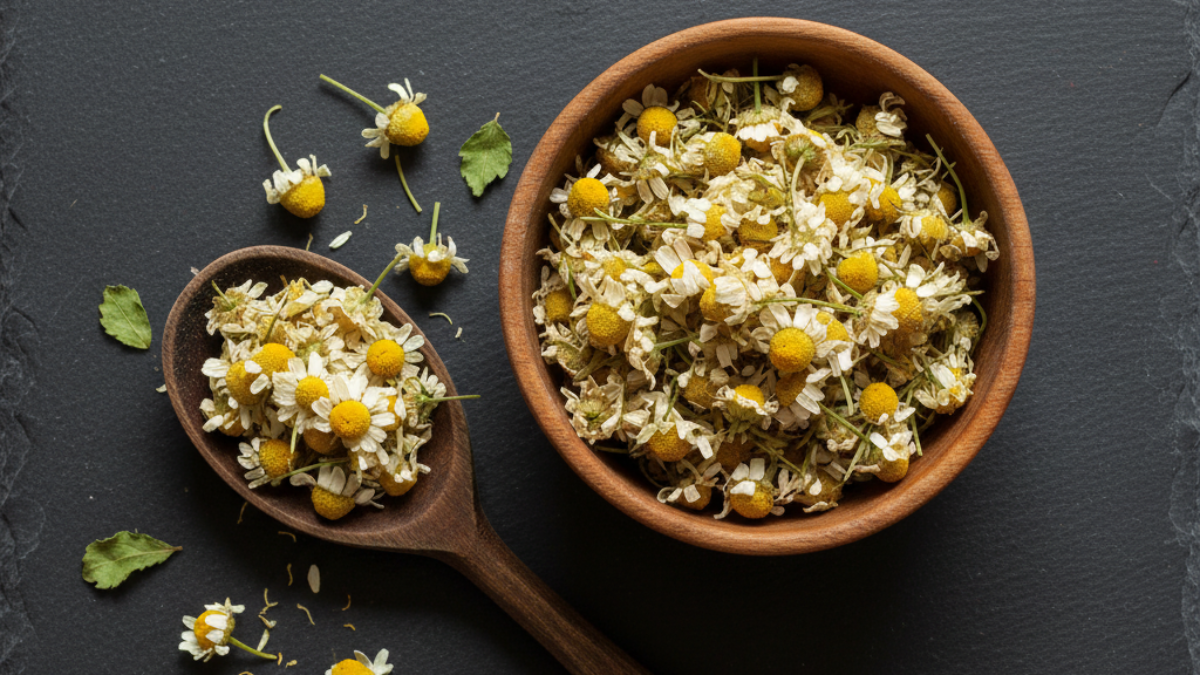
FAQ: Tea and Digestive Health
Can I drink digestive tea cold?
While the herbs retain their medicinal properties whether hot or cold, warm tea is generally preferred for digestion. The heat itself is therapeutic—it soothes the digestive muscles, increases circulation to the digestive organs, and signals to your body that it's time to rest and digest.
One exception: cold-infused marshmallow root tea (steeped overnight in cool water) is excellent for maximizing mucilage extraction.
How long until I notice a difference from drinking tea that is good for my gut?
This depends on what you're treating:
- Acute symptoms (gas, bloating, cramping): Carminative effects are often immediate to within 15-30 minutes
- Chronic issues (inflammation, ongoing discomfort): Consistent use over 2-4 weeks is necessary for deeper healing
Herbal medicine works with your body's natural healing timeline—it cannot be rushed, but it is profoundly effective with patience.
Is tea that is good for you safe during pregnancy?
Many digestive herbs are safe during pregnancy, but some are not:
Generally Safe:
- Peppermint (in moderation)
- Ginger (for nausea)
- Chamomile (in small amounts)
Should Be Avoided:
- Senna (strong laxative)
- Fennel (large amounts)
- Strong bitters
Always consult with your healthcare provider before introducing new herbs during pregnancy.
Can I drink digestive tea if I take medications?
Most gentle digestive herbs are safe alongside medications. However:
- Peppermint: May reduce effectiveness of acid-blocking medications (like PPIs)
- Ginger: Has mild blood-thinning properties—monitor if on anticoagulants
- Licorice Root: Can affect blood pressure—avoid with hypertension medications
When in doubt, consult with a clinical herbalist who can review your full medication list.
How much tea should I drink for digestive benefits?
For acute relief: 1 cup after meals or as needed
For ongoing support: 2-3 cups daily (after meals and/or before bed)
Clinical Note: More is not always better. Herbs work best at their therapeutic dose. Listen to your body and adjust accordingly.
Can children drink tea that is good for their gut?
Yes, with age-appropriate modifications:
- Infants (under 6 months): No tea. Breastmilk or formula only.
- 6-12 months: Small amounts of very diluted chamomile or fennel tea (1-2 oz)
- 1-5 years: Diluted herbal teas, focusing on gentle herbs
- 5+ years: Can drink regular strength tea with mild herbs
Always consult your pediatrician before giving herbs to children.
Ready to Transform Your Digestive Health?
Discover the gentle, effective power of tea that is good for you. Our handcrafted, organic herbal teas are grown with intention and formulated with clinical herbalist expertise. Every sip is a step toward wellness. Every cup is an act of self-care. Every ritual honors the ancient wisdom of plant medicine.
Shop Digestive Tea CollectionExplore our apothecary
Learn more
Flower Essences 101
A clinical herbalist's plain-English guide to what flower essences are and how to take them.
Find your match
Find your flower essence
9-question quiz matching your current emotional state to one of our five essences.
Shop the apothecary
Medicinal Herbal Teas
Loose-leaf, clinical-herbalist-blended teas — each built around a specific job.