In this article (12)▾
What Is Your Ayurvedic Dosha? A Beginner's Guide to Vata, Pitta, and Kapha
A clinical herbalist's plain-language introduction to the three doshas — what they are, how to recognize your own, and how to use that self-knowledge to choose the right herbs, foods, and rhythms for your body.
I've been studying Ayurveda for over two decades alongside my Western clinical herbalism practice. The two traditions complement each other beautifully — Western herbalism tells me which plants do what, and Ayurveda tells me who they're for. This guide is the short version of what I teach new clients when they're ready to make their herbal choices more specific to their own constitution.
What is a dosha, really?
A dosha is a pattern of biological and psychological tendencies — a description of how your particular body tends to run when it's not being actively managed. Ayurveda names three of these patterns: vata, pitta, and kapha. Each one is associated with a combination of the five classical elements (space, air, fire, water, earth) and produces a recognizable cluster of traits.
Nobody is purely one dosha. Everyone has all three, in different proportions. Most people have one dominant dosha and a significant secondary one (commonly described as "vata-pitta," "pitta-kapha," etc.). A small fraction of the population — the "tridoshic" constitution — has all three in rough balance.
Your dosha is your prakriti — your constitution at birth, the pattern you were built with. That doesn't change. But your dosha balance in any given week, month, or season — your vikriti — does change, and that's where Ayurvedic medicine does most of its work. The goal isn't to change who you are. It's to keep your actual body in balance for the conditions you're living through right now.
Vata: the wind
Vata is the principle of movement. Space and air are its elements — lightness, dryness, mobility, and change. Vata-dominant people tend to be slender, quick-moving, and quick-thinking. They're often the creative ones, the ones with five projects going at once, the ones who get excited easily and also get depleted easily.
Physical signs of a vata constitution:
- Thin or slender build that doesn't gain weight easily.
- Dry skin, dry hair, and often cold hands and feet.
- Tendency toward irregular digestion, gas, or constipation, especially when stressed.
- Variable appetite, skipping meals, forgetting to eat.
- Light sleep, often interrupted, or difficulty falling asleep because of racing thoughts.
Emotional signs of a vata pattern:
- Quick-thinking, creative, enthusiastic about new ideas.
- Anxious, worried, or scattered when out of balance.
- Learns quickly but forgets quickly.
- Sensitive to cold, wind, and change of any kind.
What supports vata:
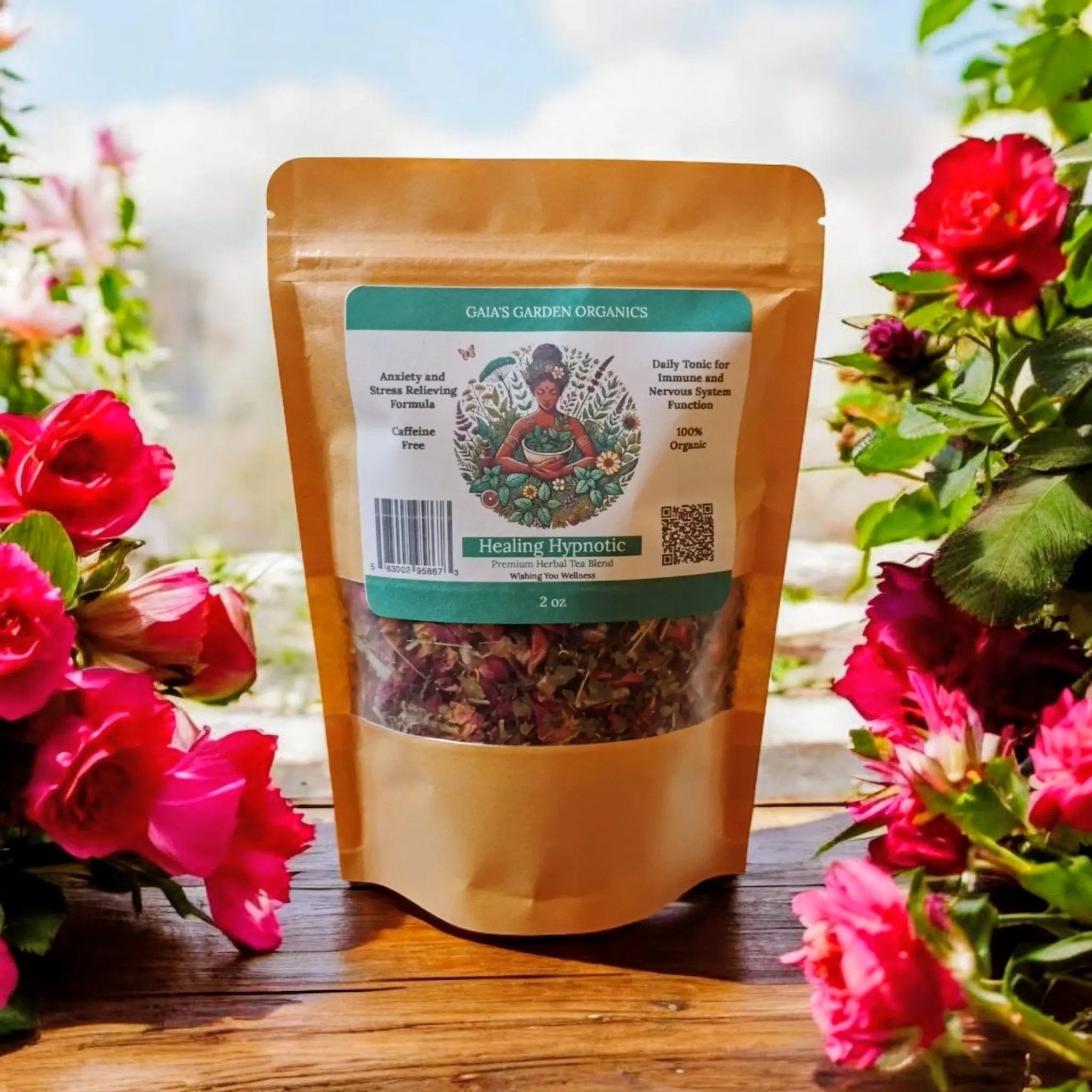
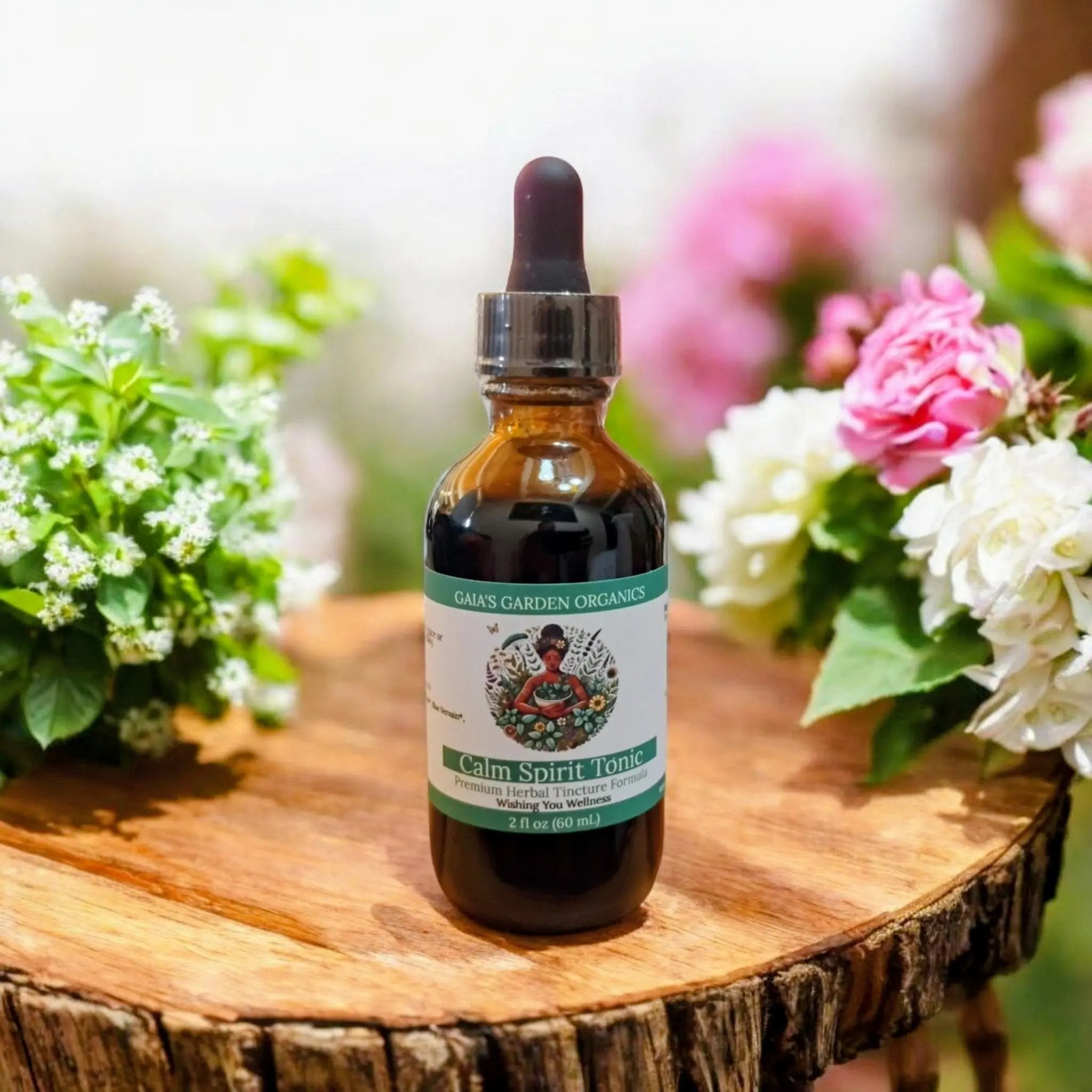
Warmth, moisture, groundedness, routine. Vata settles beautifully with warm foods, warm drinks, regular mealtimes, oiled skin, and plants that nourish the nervous system. Our Healing Hypnotic Tea and the Calm Spirit Tonic are particularly supportive for vata-dominant people carrying a lot of nervous-system load.
Pitta: the fire
Pitta is the principle of transformation. Fire and water are its elements — heat, sharpness, intensity, and digestion (both of food and of experience). Pitta-dominant people tend to be medium-build, warm-bodied, ambitious, and driven. They're often the natural leaders, the problem-solvers, the ones who can push through obstacles by sheer will.
Physical signs of a pitta constitution:
- Medium, athletic build; muscles develop readily.
- Fair or ruddy skin that sunburns easily; prone to rashes and inflammation.
- Strong appetite; gets irritable if a meal is delayed.
- Strong digestion; often with heartburn or acid when out of balance.
- Tends to run warm; doesn't tolerate heat well; sweats easily.
Emotional signs of a pitta pattern:
- Focused, intelligent, driven, and decisive.
- Irritable, impatient, or quick to anger when out of balance.
- Perfectionist tendencies; high standards for self and others.
- Excellent memory and analytical skill.
What supports pitta:
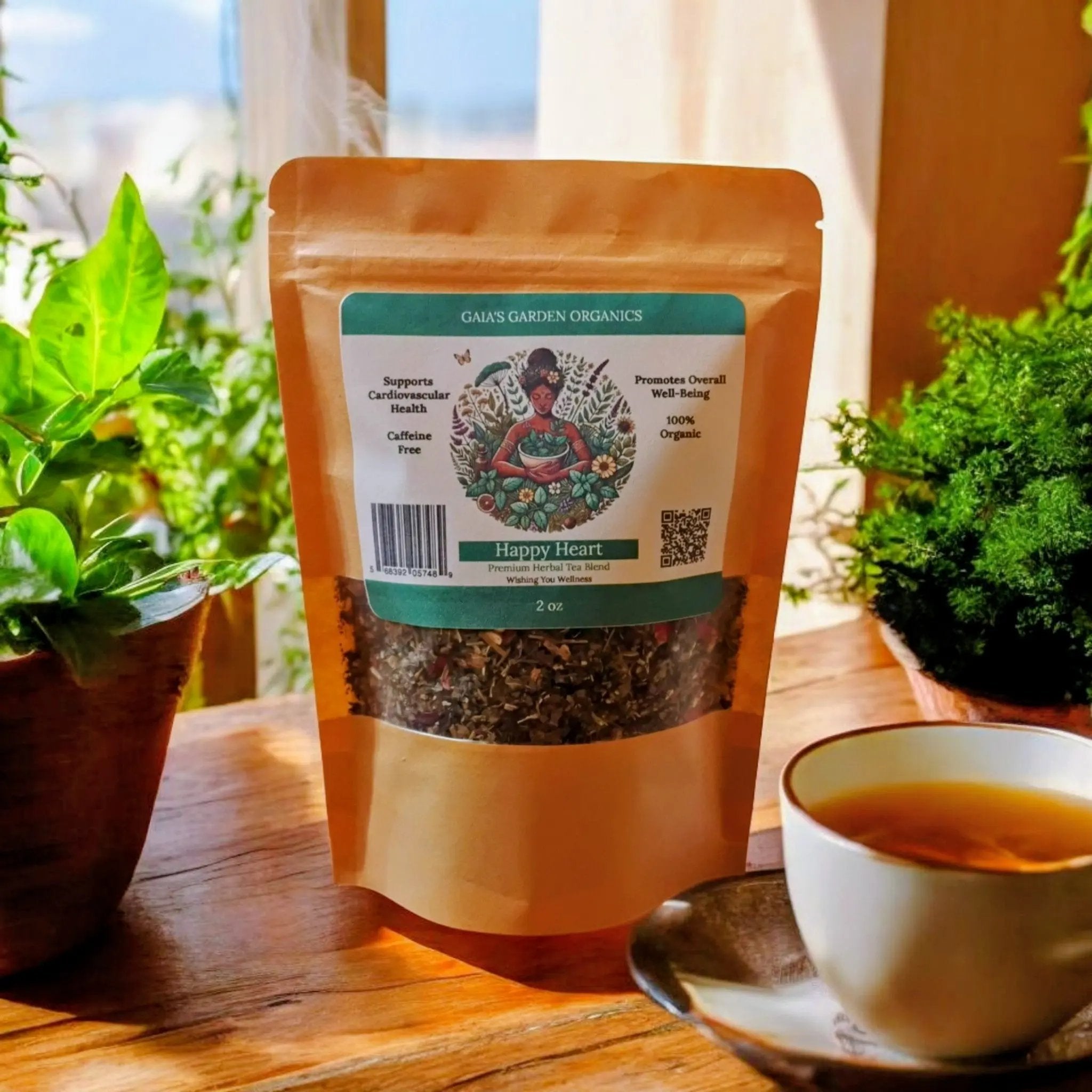
Cooling, softening, slowing. Pitta responds well to cooling teas, leafy bitter greens, regular rest, and time in nature. Mid-afternoon, avoid the strongest sun. Our Happy Heart Tea (with rose and linden) and Breathe Better Tea offer the cooling, softening qualities that tend to settle a hot pitta system.
Kapha: the earth
Kapha is the principle of structure and stability. Earth and water are its elements — solidity, moisture, cohesion, and grounded strength. Kapha-dominant people tend to be sturdy, calm, patient, and long-lived. They're often the anchors in a family, the loyal friend, the one who remembers what matters.
Physical signs of a kapha constitution:
- Solid, heavier build; gains weight easily and has more trouble losing it.
- Thick, oily skin and hair; less prone to dryness.
- Steady, slower digestion; rarely goes hungry.
- Deep, long sleep; feels sluggish on waking.
- Tends to run cool and to hold onto fluid.
Emotional signs of a kapha pattern:
- Calm, patient, loyal, and nurturing.
- Slow to anger but also slow to change.
- Complacent, stuck, or sluggish when out of balance.
- Deep, reliable memory; learns slowly but retains forever.
What supports kapha:
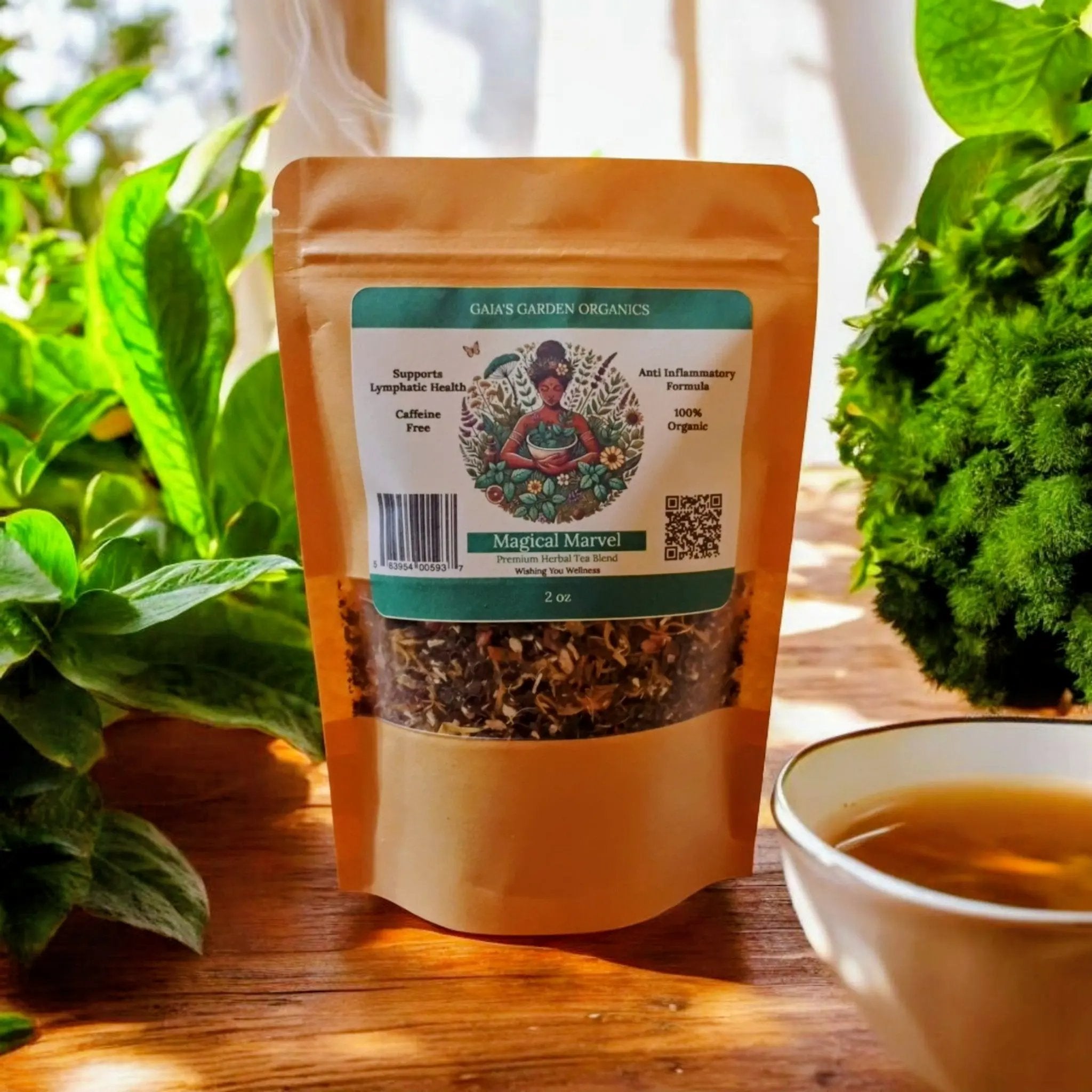
Warming, stimulating, moving. Kapha benefits from spiced foods, vigorous exercise, early waking, and herbs that mobilize and energize. Our Magical Marvel Tea and Clarity Essence (peppermint) both offer the gently stimulating, moving quality that kapha often needs.
How to identify your dosha
The fastest, lowest-effort way is our two-minute dosha quiz. Twelve questions, designed with a clinical herbalist's lens, and you get a primary + secondary reading at the end. I recommend starting there.
If you'd rather do it by intuition, here are the shortcuts I use with clients:
- Look at your body. Slender and dry? Vata-leaning. Medium and warm? Pitta-leaning. Solid and cool? Kapha-leaning. This is the least reliable signal but the fastest.
- Look at your digestion. Irregular and gassy? Vata. Strong and fiery? Pitta. Slow and heavy? Kapha.
- Look at your sleep. Light and interrupted? Vata. Solid but short? Pitta. Deep and hard to wake from? Kapha.
- Look at your stress response. Anxious and scattered? Vata. Irritable and angry? Pitta. Withdrawn and heavy? Kapha.
- Look at what you crave in extremes. Warmth, ritual, structure? Vata. Cooling, rest, gentleness? Pitta. Movement, spice, stimulation? Kapha.
Most people will recognize themselves in two doshas more than one. That's normal. Note your primary (the strongest thread) and secondary (the next strongest) — that's your working constitution.
The dosha isn't a personality type
A common misconception I want to clear up: Ayurveda is not a horoscope. Your dosha doesn't make you a particular personality; it describes the tendencies of your physical and psychological system. A vata-dominant person can absolutely be disciplined, consistent, and grounded — but they'll have to work with their nature rather than against it to stay that way. A kapha can be quick and agile; they'll just have to deliberately build that into their life.
The point isn't to accept a label. It's to know your starting conditions so you can design a wellness routine that actually works for your body rather than fighting it.
Matching herbs to dosha
One of the most practical applications of knowing your dosha is choosing herbs and teas that counterbalance your tendencies when they're out of balance. A simple framework:
| Your pattern | You'll usually benefit from | From our apothecary |
|---|---|---|
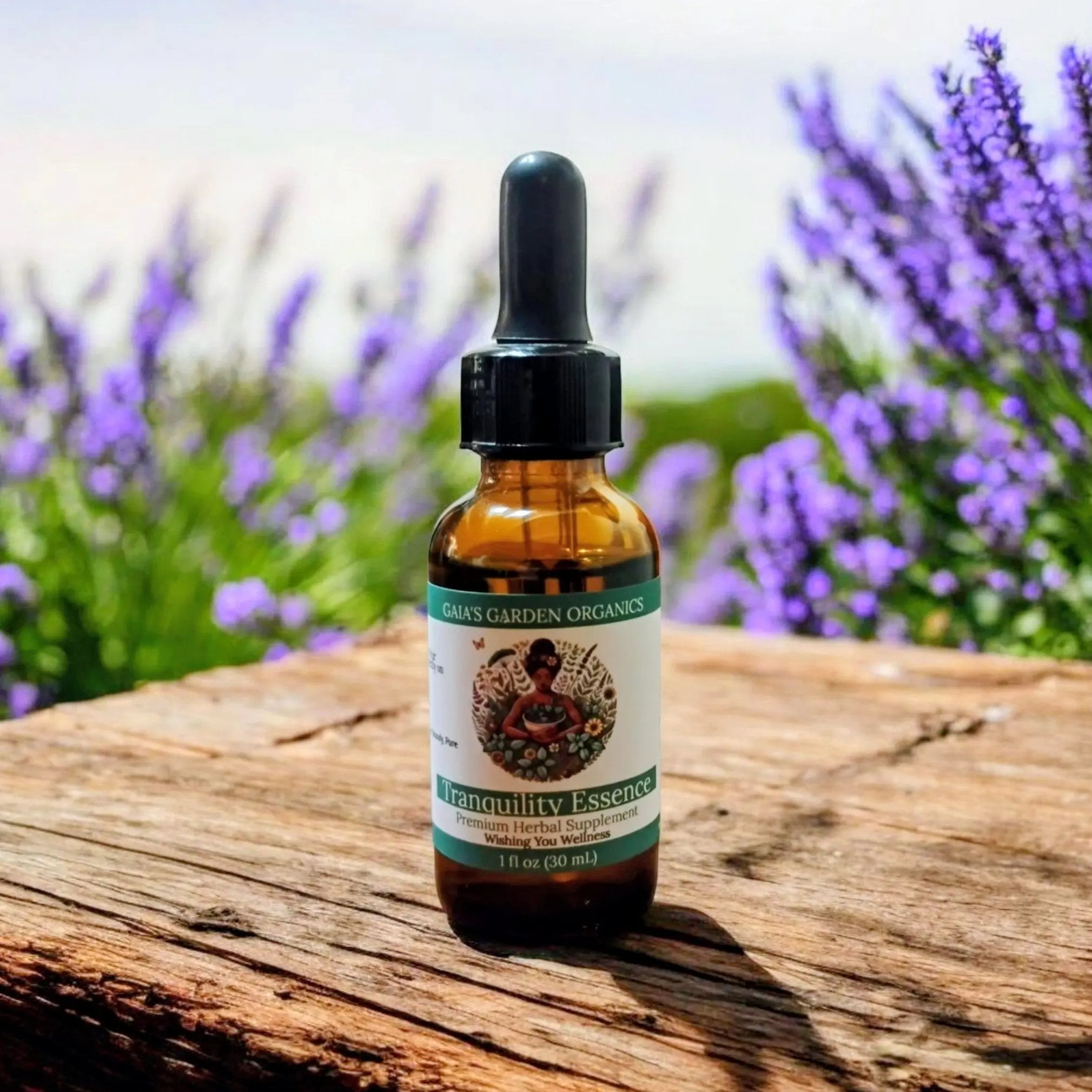
| Vata anxious/dry/cold | Warming, grounding, nourishing, nervine | Healing Hypnotic Tea, Calm Spirit Tonic, Tranquility Essence |
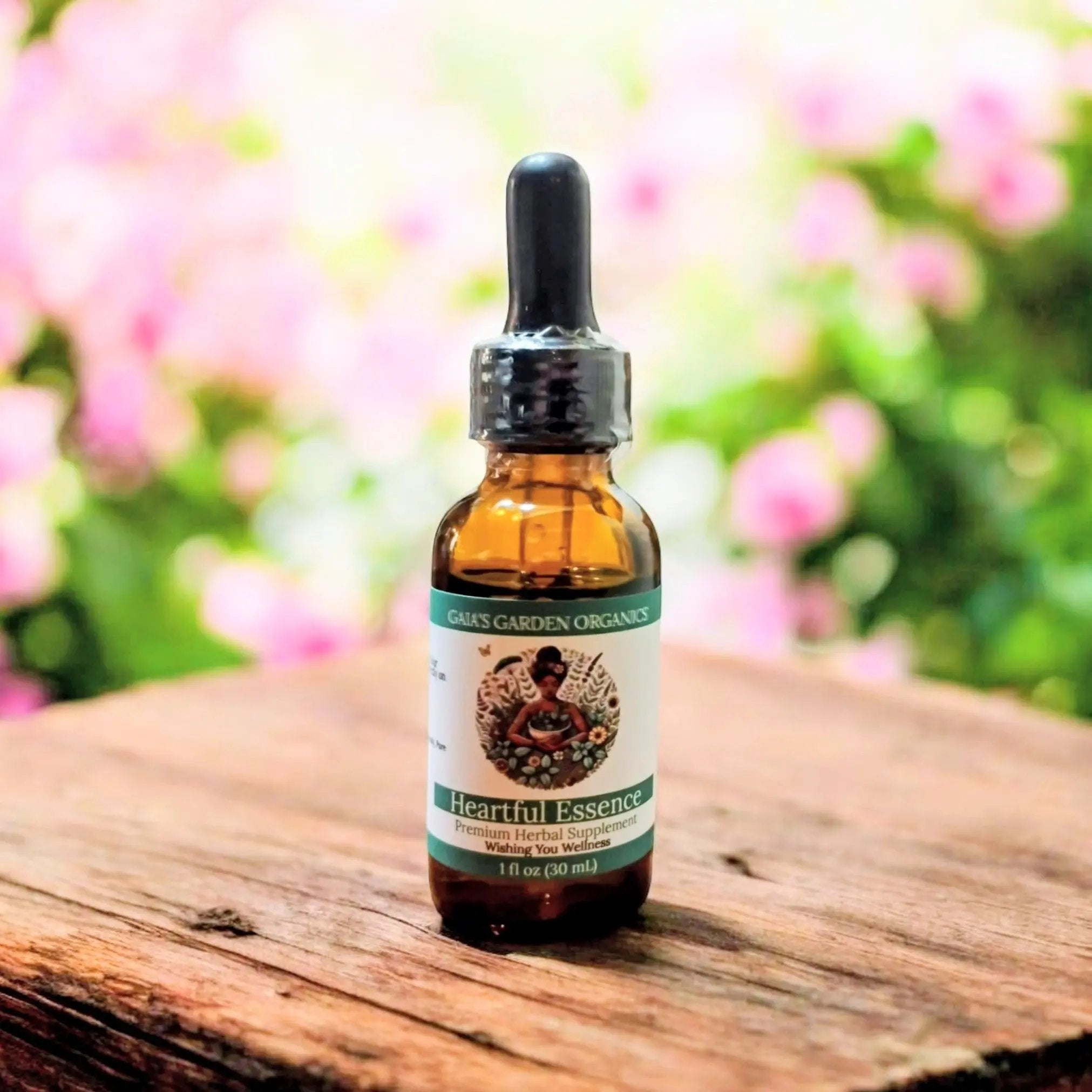
| Pitta hot/irritable/sharp | Cooling, softening, calming, heart-centered | Happy Heart Tea, Heartful Essence, Breathe Better Tea |
| Kapha heavy/slow/stuck | Warming, stimulating, moving, uplifting | Magical Marvel Tea, Clarity Essence, Vitality Essence |
These are starting points, not prescriptions. Your specific blend of doshas may point to a different combination — and if you're out of balance in a way that doesn't match your primary dosha (a kapha having a vata anxious week, for instance), you work with what's happening in the moment, not what your birth chart says.
Daily rhythms by dosha
A small subset of Ayurvedic wisdom that pays back enormously: matching your daily rhythm to your dosha.
- Vata thrives on regularity. Same waking time, same meal times, same bedtime. Structure is medicine.
- Pitta thrives on cooling pauses. A midday rest, time in water or shade, ending work at a reasonable hour.
- Kapha thrives on vigorous morning movement. Early waking, a walk or yoga before breakfast, avoiding daytime naps.
Even one small adjustment — a vata person eating lunch at the same time every day, or a kapha person walking before breakfast — can shift baseline energy in a week or two.
When your dosha is out of balance
Most of the work in Ayurvedic-informed herbal practice is noticing when your dosha has drifted out of balance and gently bringing it back. The early warning signs for each:
Vata imbalance (aggravated vata):
- Racing thoughts, difficulty focusing.
- Insomnia, especially trouble falling asleep.
- Dry skin, constipation, feeling cold.
- Anxiety, worry, overwhelm.
Pitta imbalance (aggravated pitta):
- Irritability, impatience, short temper.
- Heartburn, acid reflux, hot flashes.
- Rashes, inflamed skin, headaches.
- Perfectionism turning into criticism.
Kapha imbalance (aggravated kapha):
- Lethargy, slowness to start the day.
- Weight gain, fluid retention, congestion.
- Resistance to change, stuckness.
- Mild depression or heaviness of mood.
If you spot the early signs of your own dosha going out of balance, you can often correct course with a week of the right tea, a slightly different daily rhythm, and a simple flower essence. That's the leverage of knowing your pattern.
Where to go from here
If you've found yourself in one of these descriptions — or more likely two — the next step is to confirm it with our dosha quiz, then explore the free Ayurvedic mini-guide that walks you through daily rituals, foods, and seasonal adjustments for your dominant dosha. Both are free, both are on the site, and both are based on the same framework I use with my clinical clients.
From there, let your dosha shape the remedies you bring into your life. Pair tea and tincture choices to your constitution; choose a flower essence that matches not just your mood but your characteristic way of being out of balance; design a morning routine that serves your actual body rather than one you borrowed from a podcast.
Ayurveda's gift is that it makes the whole project of self-care dramatically more specific. When you know who you are, you stop trying remedies that aren't meant for you — and the ones that are meant for you start working faster than you expected.
Frequently Asked Questions
How do I know what my dosha is?
The fastest way is to take our two-minute dosha quiz, which asks twelve questions about your body, digestion, sleep, and stress patterns. Most people come out with a clear primary dosha and a significant secondary one. You can also identify your dosha by recognizing yourself in the descriptions of vata (slender, dry, quick), pitta (medium, warm, driven), or kapha (solid, steady, slow).
Can your dosha change over time?
Your fundamental constitution (prakriti) doesn't change — it's the pattern you were born with. But your current dosha balance (vikriti) shifts constantly in response to season, stress, diet, and life stage. The work of Ayurvedic medicine is recognizing current imbalance and gently rebalancing, not trying to change who you fundamentally are.
What if I have two doshas that seem equal?
That's called a dual-dosha constitution (vata-pitta, pitta-kapha, or vata-kapha), and it's very common — most people have it. The work is to support whichever dosha is most out of balance in the moment, not to pick between your two primary ones. In summer, pitta may dominate; in fall, vata; in winter, kapha.
Which dosha is most prone to anxiety?
Vata, most commonly. Vata's elements — air and space — produce a naturally quick, changeable nervous system that can tip into anxious overthinking when out of balance. Vata-calming herbs (nervines like passionflower, oat straw, lavender), regular routine, and warm grounding foods are the traditional correctives.
Can I take an herbal tincture that's 'wrong' for my dosha?
Generally yes, without harm. The worst you'll usually see is a mild imbalance in the opposite direction — a cooling tea that leaves a vata person feeling extra chilly, or a stimulating tincture that makes a pitta more fiery. Matching herbs to dosha makes the remedy more effective; it's not a strict safety rule.
How is Ayurveda different from Western herbalism?
Western herbalism tells you what a plant does: valerian sedates, echinacea stimulates immune response, hawthorn supports the cardiovascular system. Ayurveda tells you who the plant is for: which constitutions it serves, which it aggravates, in which season, at which stage of life. The two traditions complement each other beautifully.
Frequently asked
How do I know what my dosha is?
Take our two-minute dosha quiz, which asks twelve questions about your body, digestion, sleep, and stress patterns. Most people come out with a clear primary dosha and a significant secondary one. You can also identify your dosha by recognizing yourself in descriptions of vata (slender, dry, quick), pitta (medium, warm, driven), or kapha (solid, steady, slow).
Can your dosha change over time?
Your fundamental constitution (prakriti) does not change — it is the pattern you were born with. But your current dosha balance (vikriti) shifts constantly in response to season, stress, diet, and life stage. The work is recognizing current imbalance and gently rebalancing.
What if I have two doshas that seem equal?
That is called a dual-dosha constitution and is very common — most people have it. Support whichever dosha is most out of balance in the moment, not whichever is theoretically dominant. In summer pitta may dominate; in fall vata; in winter kapha.
Which dosha is most prone to anxiety?
Vata, most commonly. Vata''s elements — air and space — produce a naturally quick, changeable nervous system that can tip into anxious overthinking when out of balance.
Can I take an herbal tincture that''s wrong for my dosha?
Generally yes, without harm. The worst you will usually see is a mild imbalance in the opposite direction. Matching herbs to dosha makes the remedy more effective; it is not a strict safety rule.
How is Ayurveda different from Western herbalism?
Western herbalism tells you what a plant does. Ayurveda tells you who the plant is for — which constitutions it serves and which it aggravates. The two traditions complement each other beautifully.
Products from this article
Handcrafted in Umpire, Arkansas by Gaia Devi, clinical herbalist.
 New
NewGaia's Healing Hypnotic Herbal Tea
for the busy-mind bedtime
 New
NewGaia's Happy Heart Herbal Tea
for heart-centered comfort
 New
NewGaia's Calm Spirit Tonic
for calm and a quiet mind
 New
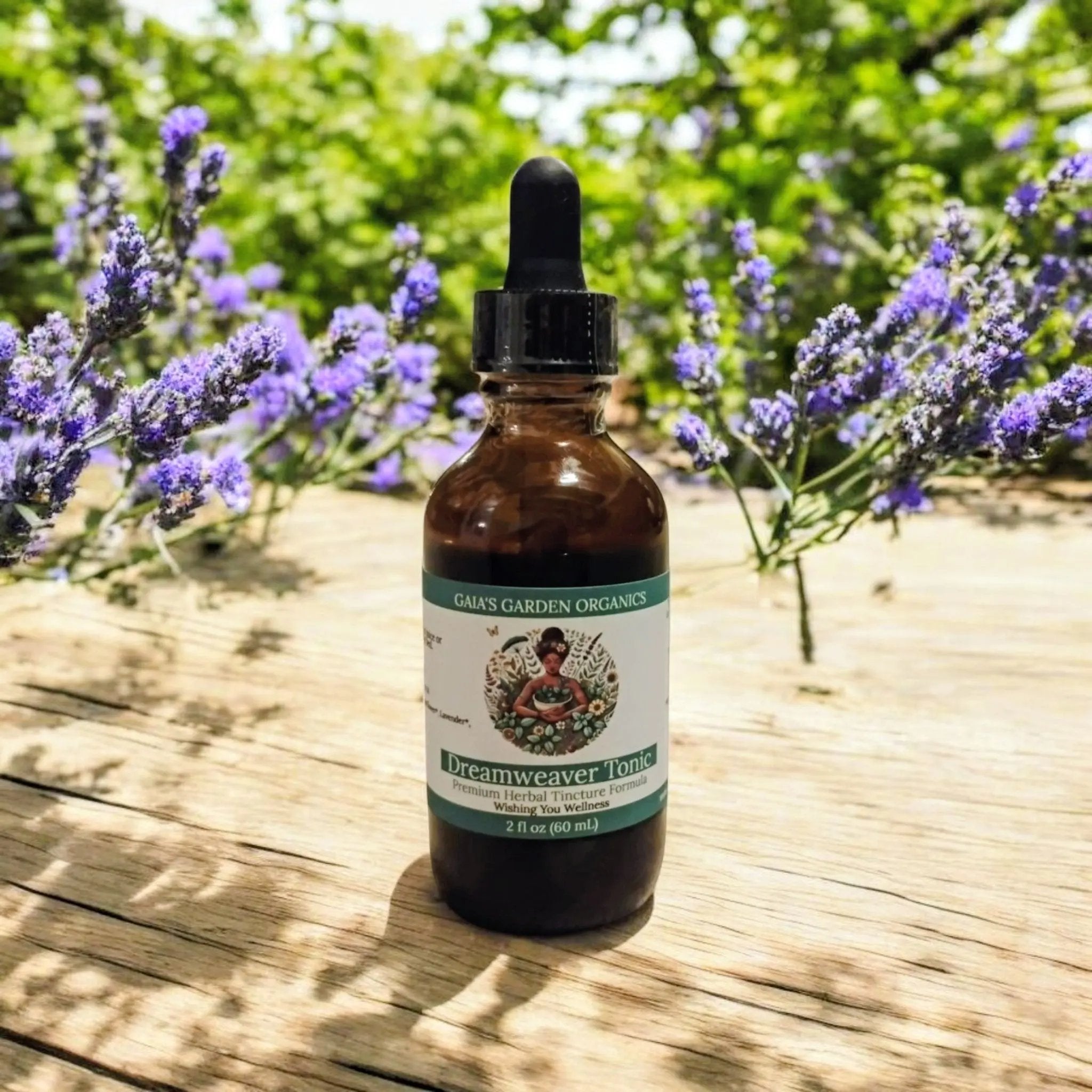
NewGaia's Dreamweaver Tonic
for slipping into sleep
 NewSold out
Gaia's Magical Marvel Herbal Tea
for everyday vitality
 New
NewGaia's Clarity Essence - Organic Peppermint Flower Essence
for focus & mental alertness
 Bestseller
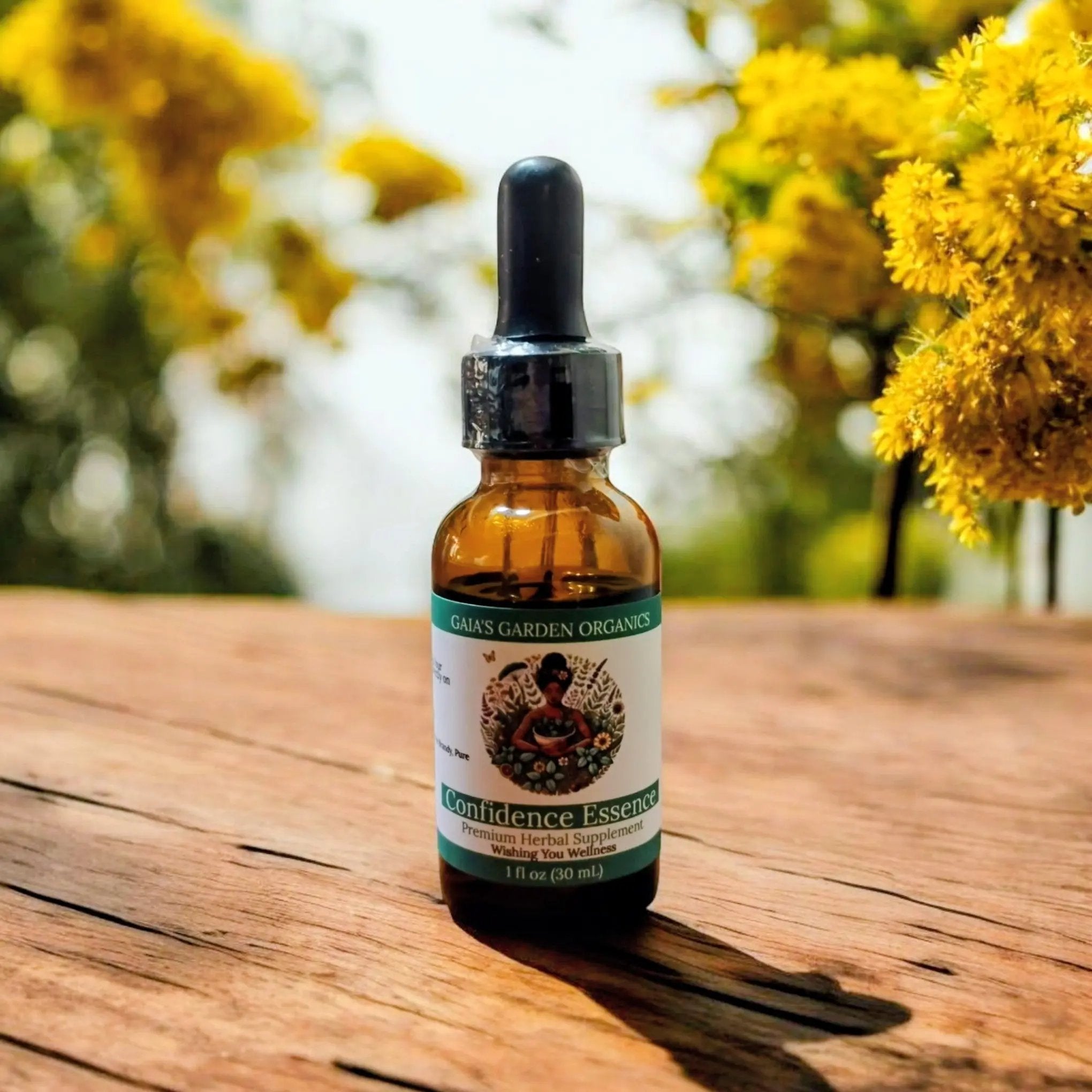
Gaia's Confidence Essence - Organic Goldenrod Flower Essence
for courage & self-assurance
 Bestseller
Gaia's Heartful Essence - Organic Rose Flower Essence
for grief & heart-opening
 New
NewGaia's Tranquility Essence - Organic Lavender Flower Essence
for stress & anxious hearts
 New
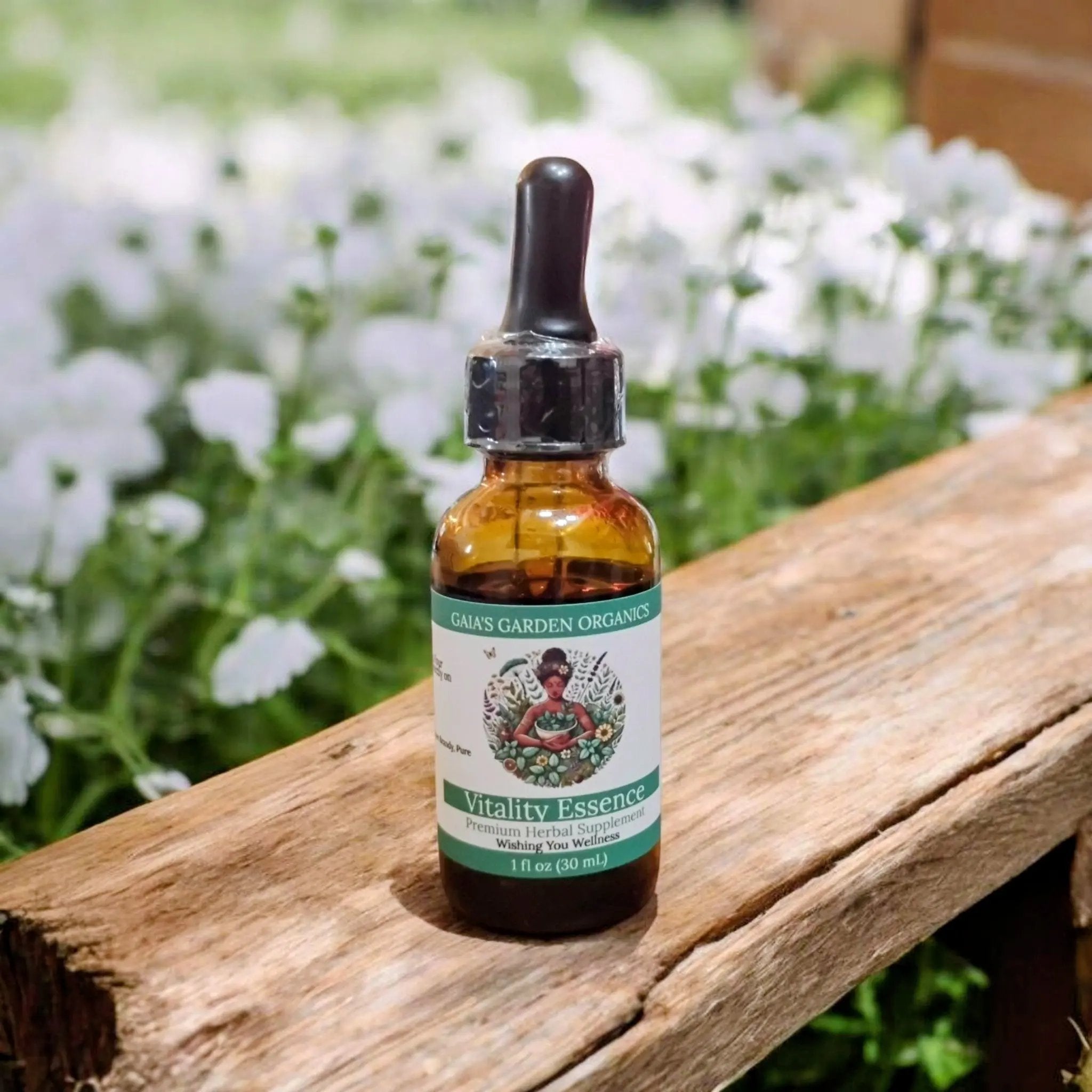
NewGaia's Vitality Essence - Organic Spearmint Flower Essence
for energy & renewed lightness
Explore our apothecary
Learn more
Flower Essences 101
A clinical herbalist's plain-English guide to what flower essences are and how to take them.
Find your match
What's your dosha?
12-question Ayurvedic quiz — Vata, Pitta, or Kapha — with a clinical-herbalist recommendation.
Shop the apothecary
Shop the apothecary
Every flower essence, tincture, and tea on our shelves — clinical-grade plant medicine, seed-to-bottle.